
57 walking spots tagged “Shrine”. Near 浅草駅 and 30 other areas.

The heart of Kamakura, founded in 1180 by Minamoto no Yoritomo. Wakamiya-oji, running dead straight from National Route 134, is the shrine's approach and Kamakura's main street at the same time. Climb the great stone stairway and look out at the sea from the precincts, and you'll understand why he established his shogunate here.
A shrine facing Morito Beach. From the grounds, the torii gate of Najima, the Yujiro Lighthouse, and Mt. Fuji beyond it all line up in a single row. There is also a memorial monument to Yujiro Ishihara.
A small shrine built by the Southern Street shopping district. Kobayashi of the tea shop Chadokoro Kobayashien was the initiator. Fans of Southern All Stars come to visit. Worship hours are approximate.
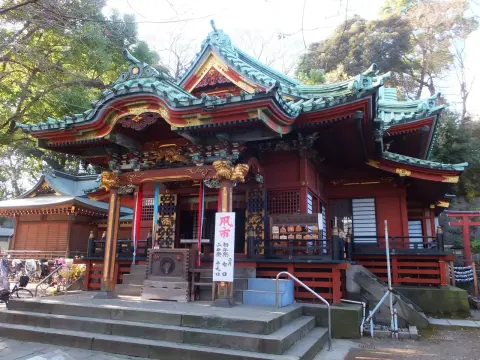
An Inari shrine just a few minutes' walk from Oji Station. This venerable shrine has long been regarded as the grand headquarters of Inari shrines in the Kantō region. On New Year's Eve, a ritual called the "Fox Procession" (Kitsune no Gyōretsu) is held, in which people dressed as foxes gather for a parade. A shrine with deep roots in the community since the Edo period.
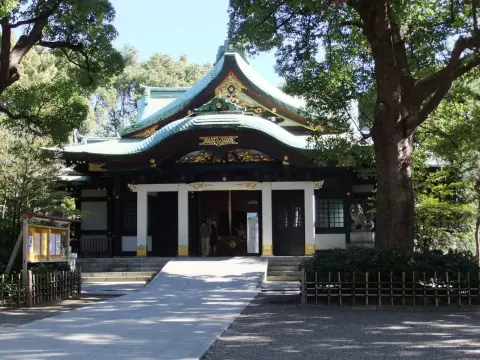
An ancient shrine said to be the very origin of the place name "Oji." According to tradition, the name derives from the enshrinement here of the Wakamiya (young prince, Oji) of Kishu Kumano. Within walking distance of Oji Station, visitors can worship surrounded by the lush greenery of the shrine grounds.

A shrine just a short walk from Kami-Naka-Sato Station. Its serene grounds are well loved by the local community, and its convenient location makes it a natural stop on any walking route through the Kami-Naka-Sato and Oji area.
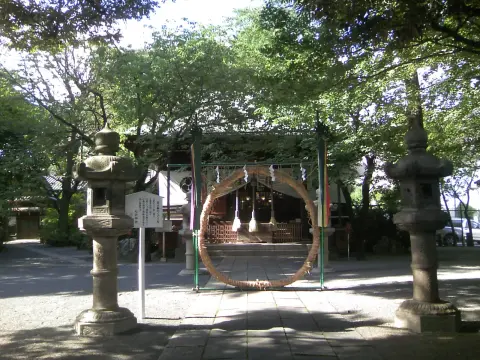
A shrine located in Nishigahara, Kita Ward, just a few minutes' walk from Nishigahara Station. Its grounds spread through a quiet residential neighbourhood, and it is cherished by locals as the area's guardian shrine. Close to Asukayama Park and the Former Furukawa Gardens, it makes an easy stop on a walking route through Kita Ward's historic sites.

An Inari shrine nestled quietly in a residential neighborhood near Kiyosumi-Shirakawa Station. It stands unobtrusively amid the old downtown streetscape, preserved as a place of everyday worship by local residents. While cafés and cultural venues have been increasing in the Kiyosumi-Shirakawa area in recent years, small shrines like this still remain here and there, offering a glimpse into the neighborhood's historical layers.
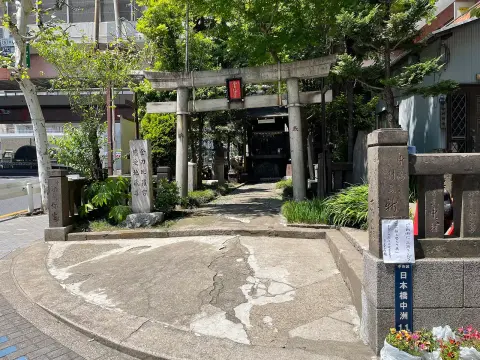
A shrine located in the Nihonbashi area, near Suitengumae Station. It enshrines a divided spirit of the Kotohira-gu in Sanuki, and visitors come to pray for maritime safety and business prosperity. The grounds, surrounded by city buildings, offer a quiet moment of calm during a walk.
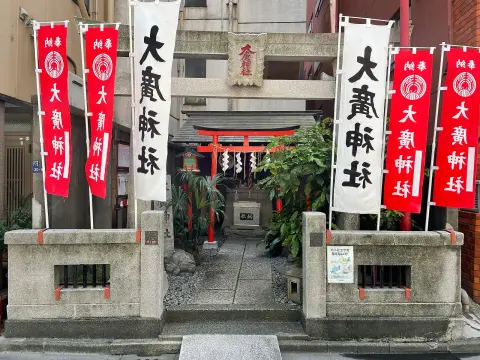
A shrine located just a short walk from Hamachō Station. Quietly nestled within the residential area of Nihonbashi Hamachō, it is a small shrine cherished by local residents. Consider stopping by when taking a walk around Hamachō Park.

An Inari shrine standing near Kiyosumi-shirakawa Station. A local guardian deity rooted in Fukagawa's old downtown, its compact grounds are marked by an eye-catching vermilion torii gate. An easy place to drop by while making the rounds of Kiyosumi-shirakawa's cafes or walking to Kiyosumi Gardens.
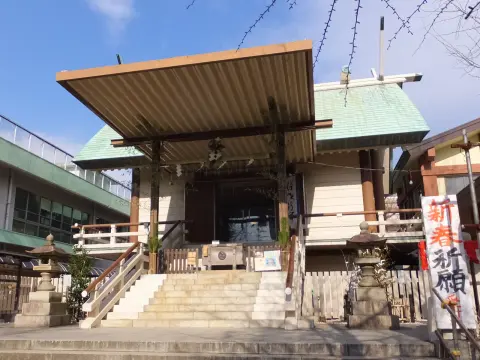
One of the oldest shrines in Fukagawa, located near Morishita Station. It is said to have been founded by Fukagawa Hachirozaemon, who developed the Fukagawa area during the Keichō period, and is considered the birthplace of Fukagawa. Stop by this place that could be called the very origin of Fukagawa's history during your walk.

A small Inari shrine near Kiyosumi-Shirakawa Station, tucked quietly into the residential streets of Fukagawa. The vermilion torii gate serves as its landmark. When walking through this area, which is home to many temples, a short detour to the shrine adds a pleasant change of pace to your stroll.
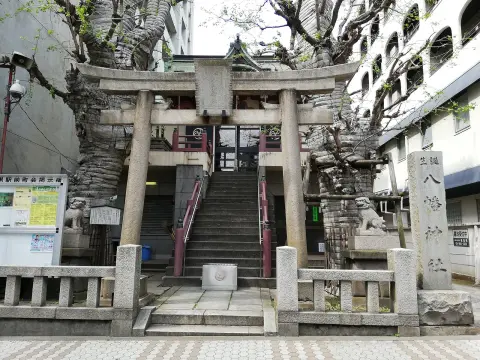
A Hachimangu shrine located not far from Meguro Station. True to its name, it has long been cherished by locals as a shrine associated with safe childbirth and child-rearing. Tucked into a residential neighborhood just off the main road, it is a small, compact shrine perfect for a casual visit during a stroll.
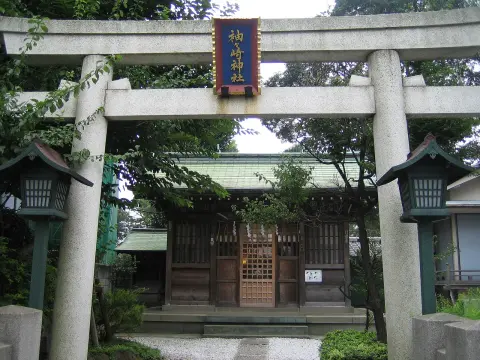
A shrine standing near Takanawadai Station. Its refined name, "Sodegasaki," leaves a striking impression, and it sits quietly tucked away in the residential streets of Takanawa. Why not stop by to pay your respects while strolling through the hilly Takanawa area?
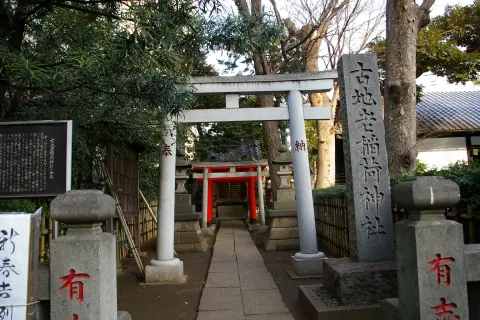
A small Inari shrine tucked quietly among the residential streets of Shirokanedai. Cherished and tended by the local community, it has an unpretentious charm — the kind of place you might stumble upon while turning down a back alley on a walk. A perfect spot for a quiet moment of prayer while exploring the Shirokanedai area.
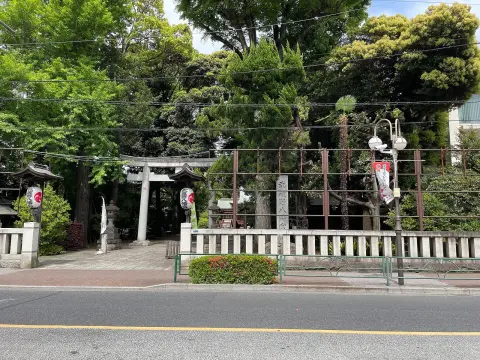
A shrine beloved by local residents as the ujigami (guardian deity) of Kichijoji. It sits just beyond the shopping arcade from Kichijoji Station, and is said to have been founded by people who migrated from Kanda after the Great Fire of Meireki. Large trees grow thick across the precincts, where a calm air—removed from the bustle around the station—prevails.

A shrine along Miyamasuzaka slope, close to Shibuya Station. Although it stands in a block lined with buildings, climbing the stone steps opens onto quiet grounds. Another distinctive feature is that wolf statues, rather than the usual komainu guardian dogs, watch over the shrine. It is a place to step away from the bustle of the city for a moment and offer a prayer while out walking.
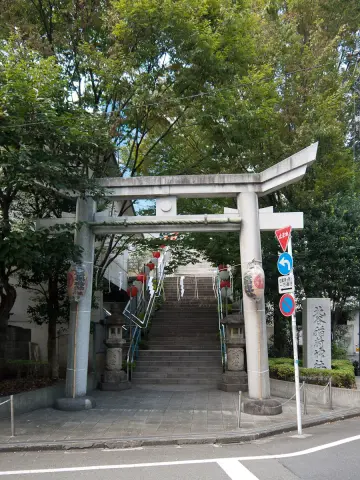
An Inari shrine tucked into a corner of Jinnan, Shibuya Ward, surrounded by office buildings. Although it is within walking distance of both Shibuya Station and Harajuku, the atmosphere changes from the crowded streets the moment you pass through the torii gate. Worth keeping in mind as a small detour you can stop by while walking through the center of town.
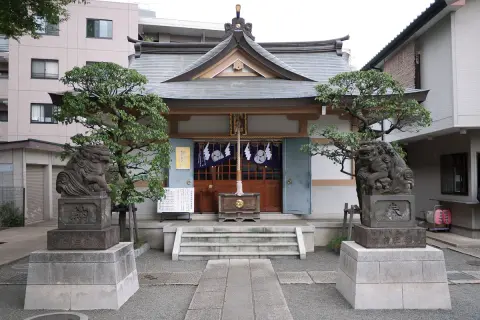
A shrine in a quiet corner between Harajuku and Omotesando, a short walk from Meiji-jingumae 'Harajuku' Station. "Onden" is the old place name for this area, and the shrine was long enshrined as its guardian deity. The precincts are so quiet you would never guess they are only a few minutes from the crowded streets, and you can catch your breath beneath the trees. It is a place that recalls what the neighborhood once looked like.
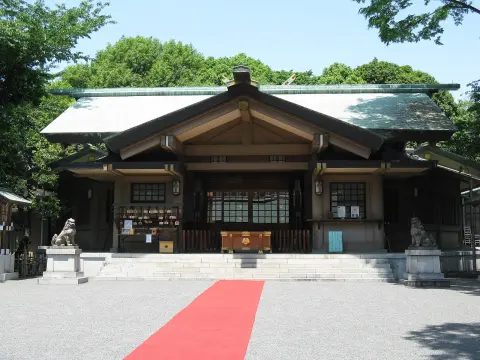
A shrine founded in 1940 (Showa 15), enshrining Togo Heihachiro, who led the Combined Fleet in the Russo-Japanese War. Although it stands right beside Takeshita Street, the grounds open into a garden set around a pond, with small paths you can walk along the water's edge. It's a place where you'll be surprised how the air changes just minutes from the bustling street.
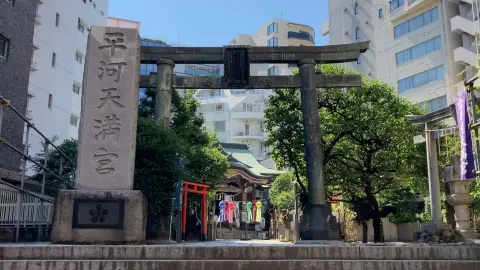
A shrine dedicated to Sugawara no Michizane. Its origins go back to 1478 (Bunmei 10), when Ota Dokan founded it within the grounds of Edo Castle; it was later moved to its present location in Kojimachi. The bronze torii gate at the front is designated a cultural property of Chiyoda City, and the sight of stone steps and a torii continuing between office buildings is something unique to this neighborhood.
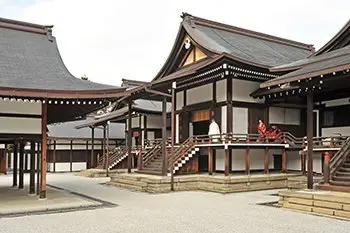
A collective name for the three sanctuaries within the Imperial Palace — the Kashikodokoro, the Koreiden and the Shinden — where the court's rituals are performed. They are not open to the public and cannot be entered. Walking along the moat from Sakuradamon Station, you can follow a quiet route while imagining that corner deep in the palace woods spreading out beyond the trees.
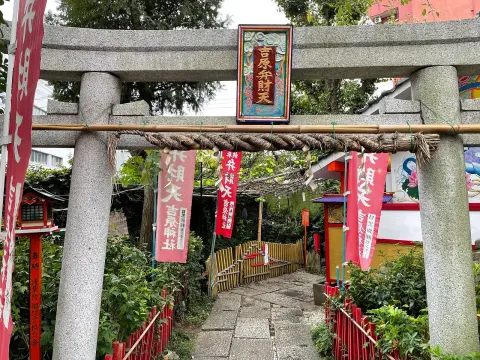
A shrine in Senzoku, Taito Ward, a walk north from Iriya Station, sitting in a corner of what was once the Yoshiwara pleasure quarter. The site was originally occupied by a pond known as Benten Pond, where many people who had no way to escape lost their lives during the Great Kanto Earthquake. A Kannon statue erected to console their souls still stands quietly here, keeping the memory of the neighborhood alive. Pause here for a moment on your walk.

A shrine standing in a neighborhood within Tokyo. It has no major attractions, but as the local guardian deity's shrine it has remained close to everyday life, and once you pass through the torii, the sounds of the street recede a little. It is a good place to stop by in the middle of a walk and take a breather while looking at the trees in the grounds.
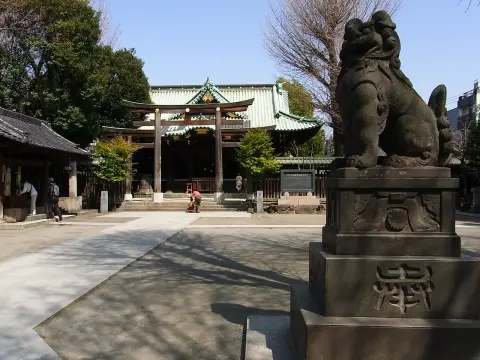
Standing within Sumida Park, this is the head guardian shrine of the entire Honjo area. It is said to have been founded in 860 (Jogan 2), and in its grounds sits the "nadeushi," an ox figure said to heal the part of your body that matches the spot you stroke. The rare Miwa torii, made by combining three torii gates, is another highlight. It makes a natural stop on a walk along the Sumida River, where you can catch your breath beneath the trees.
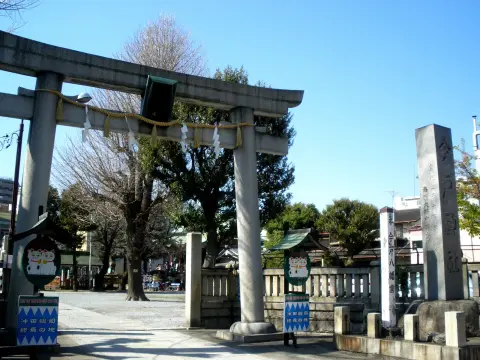
A shrine said to have been founded in 1063 (Kohei 6), when Minamoto no Yoriyoshi and Minamoto no Yoshiie enshrined the deity of Iwashimizu Hachimangu here; it was originally called Imado Hachiman. Tradition holds that this is the birthplace of the maneki-neko beckoning cat, and cat statues stand in the precincts. There is also a monument marking the spot said to be where Okita Soji of the Shinsengumi died. An easy stop on a walk along the Sumida River.
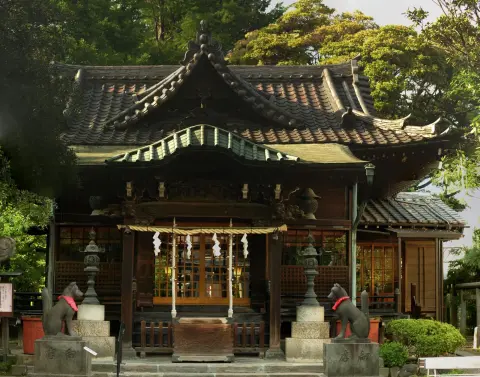
A shrine in Mukojima, east of the Sumida River. Its name comes from a legend that when the shrine was being rebuilt, a white fox circled three times around a divine statue that emerged from the ground. Because the Mitsui family made it their guardian shrine in the Edo period, a pair of lion statues relocated from Mitsukoshi stands in the grounds. You can stop by on the way from the Skytree down to the riverside.

A small hall in the grounds of Sensoji Temple, just before Hozomon Gate. It enshrines Kume no Heinai, a samurai of the early Edo period, who is said to have repented his sins and practiced zazen, and to have wished that after his death people would tread upon his statue. This "treading" (fumitsuke) later came to be linked with fumizuke, the delivering of letters, and today people come to press their hands together and pray for good matches in love. Pause here partway along the temple approach.
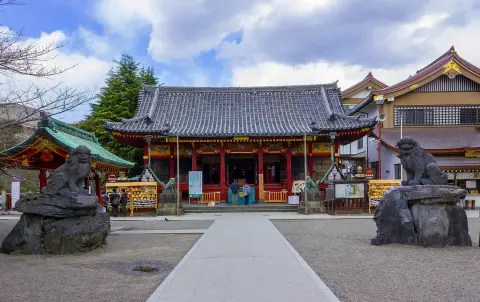
A shrine standing just east of the main hall of Sensoji Temple, known as "Sanja-sama". It enshrines three men said to have been involved in the founding of Sensoji: Haji no Manakachi, Hinokuma no Hamanari and Hinokuma no Takenari. The present shrine buildings were erected in 1649 (Keian 2) through a donation by Tokugawa Iemitsu, the third shogun, and are a nationally designated Important Cultural Property. The Sanja Matsuri held every May is this shrine's festival.
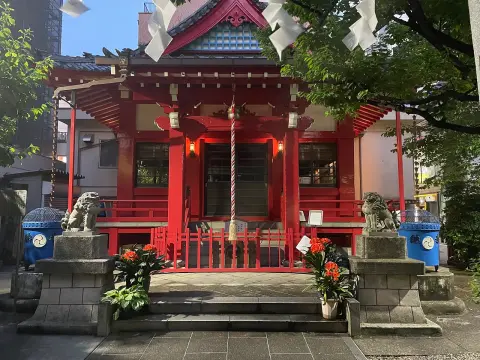
A shrine in a corner of Nishi-Asakusa, Taito City. Set a little apart from the flow of people around Sensō-ji, its hall stands among houses and small shops. Stop by when you want to spend some quiet time after walking around Asakusa. Once you have paid your respects, it is also worth walking on to the nearby Kappabashi kitchenware street.
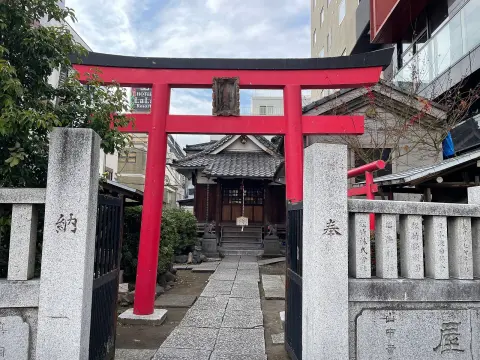
An Inari shrine you can reach on foot from Asakusa Station. Inari shrines enshrine the deity who governs grain and food, and later came to draw wide devotion for prosperity in business as well. One street in from the bustle of the main avenue, the torii gate and shrine hall stand quietly side by side. It is a place suited to stopping mid-walk, bowing once, and setting off again.
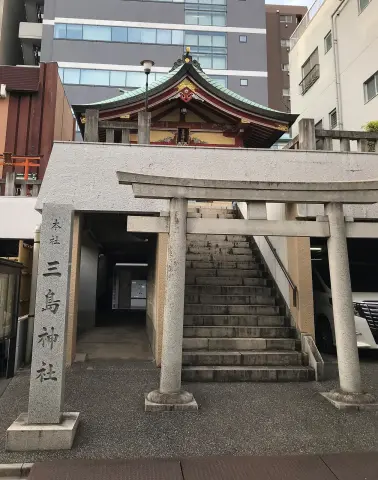
A shrine near Tawaramachi Station. Taito Ward has several Mishima shrines, and this is one of them. Its torii gate stands in a place surrounded by buildings and houses, and the way it fits neatly into a city block leaves an impression. It suits a slight detour to stop and pray while walking over from Asakusa.
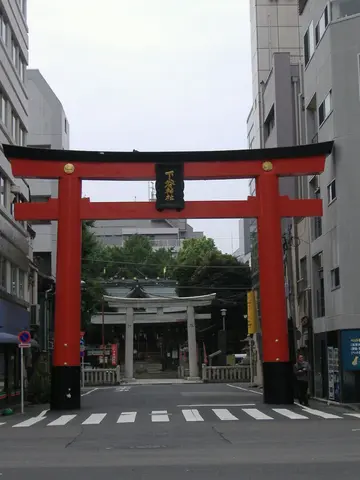
A shrine standing right beside Inaricho Station. Shrine tradition holds that it was founded in 730 (Tenpyo 2). A dragon painted by Yokoyama Taikan covers the ceiling of the worship hall, and a monument in the grounds marks the birthplace of yose storytelling theater. When you walk between Ueno and Asakusa, pass through the torii and stop by for a while.
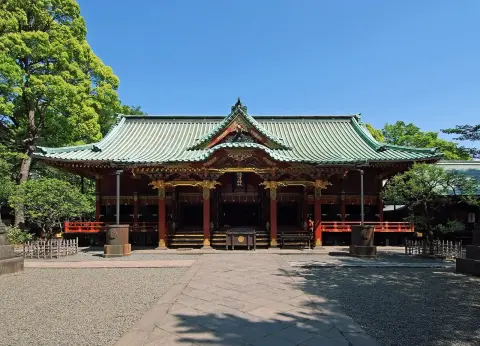
A short walk from Todaimae Station, the grounds spread out surrounded by greenery. The present shrine buildings were dedicated in 1706 (Hoei 3) by Tokugawa Tsunayoshi, the fifth shogun, and seven structures including the main hall, offering hall and worship hall are designated National Important Cultural Properties. The tunnel of vermilion torii leading to Otome Inari, and the azalea garden in spring, are among the pleasures of the walk.

A small Inari shrine enshrined in the middle of town, just a short walk from Hongo-sanchome Station. Inari shrines have long been enshrined neighborhood by neighborhood as guardian deities of daily life and business. If you come across the red torii while walking through Hongo, lined with office buildings and houses, pause for a moment and join your hands in prayer.
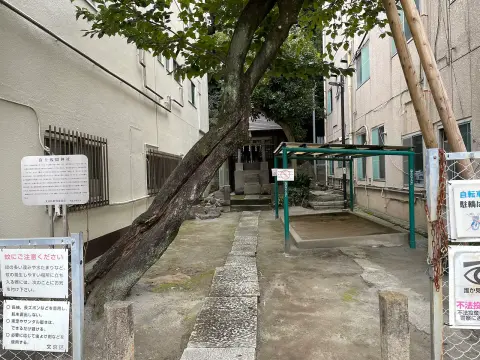
A shrine standing quietly a short walk from Hongo-sanchome Station. Sengen shrines were founded across Japan out of devotion to Mt. Fuji, and generally enshrine Konohanasakuya-hime-no-mikoto. In the town of Edo, Fuji-ko (Mt. Fuji worship associations) spread widely and many such shrines came into being. Stop in while walking through Hongo and take in the traces of Mt. Fuji worship that remain in the neighborhood.
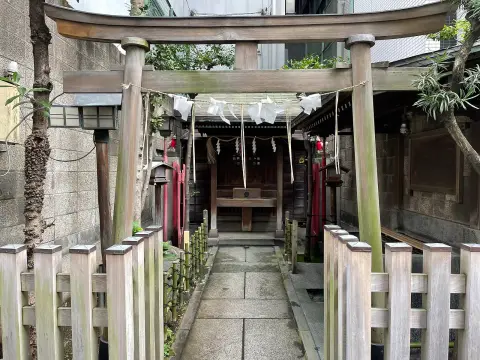
An Inari shrine enshrined in the neighborhood around Hongo-sanchome Station. Inari deities have long been enshrined town by town in prayer for bountiful harvests and thriving business, and have been cherished as guardians of the people who live on that land. True to its name, this is a shrine rooted in its land, so if you spot the red torii on your walk, stop and offer a prayer.

An Inari shrine a walk on from Yushima Station. Between Yushima and Hongo, small temples and shrines are scattered midway up the slopes and deep in the alleys, and this is one of them. Step a little away from the bustle of the main street and pass through the torii, and even a brief moment shifts your mood. Try working it in as a detour on a walk around Yushima Tenmangu Shrine and the slopes nearby.
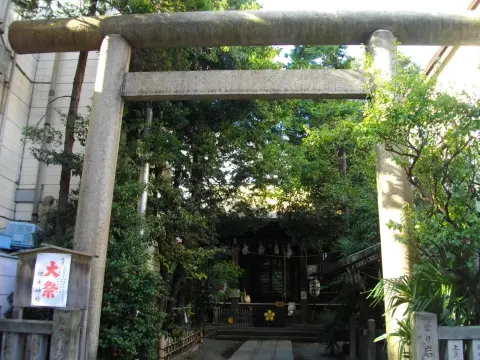
A shrine set in the streets of Hongo, just a short walk from Hongo-sanchome Station. The surrounding area is an academic quarter where the University of Tokyo, old shops and narrow sloping lanes intertwine, and once you pass through the torii the stir of the street softens a little. It is not large, but it is just the right place to stop and offer a prayer partway through a walk. Try visiting it along with the nearby temples and shrines.
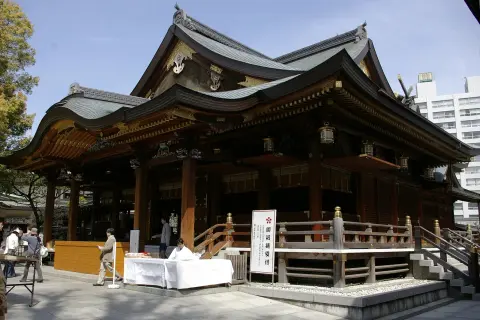
A shrine dedicated to Sugawara no Michizane, standing on high ground a short walk from Yushima Station. Shrine tradition places its founding in the 5th century, with the spirit of Michizane enshrined here during the Nanboku-cho period. Worshipped as the deity of learning, its precincts are hung with countless ema plaques praying for success in entrance exams. Many plum trees are planted on the grounds, and their blossoms can be enjoyed from winter into early spring. It also makes a good starting point for setting off on foot toward Ueno or Hongo.
A shrine just a short walk from Ebisu Station. Easy to include on a walking route through the Ebisu area, it sits quietly within a central Tokyo residential neighborhood. A perfect stop for paying your respects, catching your breath, or taking in the surrounding streetscape at a leisurely pace.
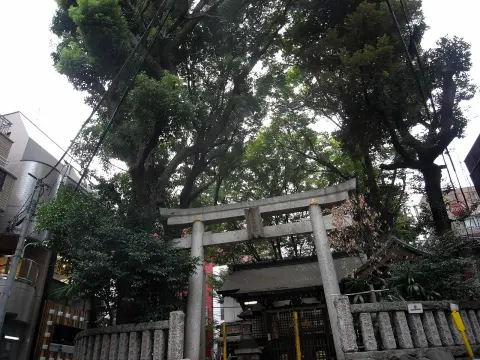
A shrine located just a few minutes' walk from Ebisu Station. It is dedicated to Ebisu, the deity of prosperous business and good relationships, and has long been cherished by local residents. You can easily stop by for a visit while strolling through the Ebisu neighborhood.

A shrine right by Ikejiri-Ōhashi Station, on high ground overlooking the Ōhashi intersection. It enshrines Susanoo-no-Mikoto and is said to have been brought here from Kai Province during the Tenshō era. In the grounds stands a Sengen Shrine known as Meguro Fuji, and once you climb the steep stone steps facing Tamagawa-dōri, the sound of passing traffic fades a little. An easy place to stop partway through a walk.
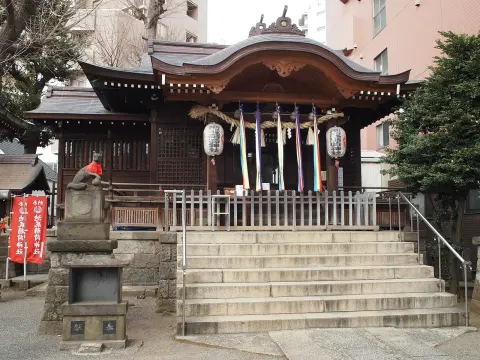
A shrine standing along the old Oyama Kaido road, just a short walk from Ikejiri-Ohashi Station. It is said to have been founded in the Meireki era of the Edo period, and travelers passing along the road worshipped here as well. The grounds still hold a well known as the "Kusurimizu no Ido" (Medicine Water Well). Set within a residential neighborhood, it is an easy place to drop by on a walk.

The tutelary shrine of Okusawa in Setagaya Ward, a short walk from Okusawa Station on the Tokyu Meguro Line. What catches the eye is the large snake woven from straw coiled around the torii gate. It derives from an event in which a giant straw serpent is carried through the neighborhood in a procession praying for protection from epidemics, and it is designated an Intangible Folk Cultural Property of Setagaya Ward. Worth pausing for on a walk through the residential streets.
An Inari shrine in a corner of a residential area within walking distance of Tamagawa Station. It bears the name "Shusse" (advancement in life), so you may wish to put your hands together and pray for success at work or for a wish to be fulfilled. The precincts are small, but the torii gate and shrine hall have a quiet air, making it a place to stop and take a breath partway through a walk.
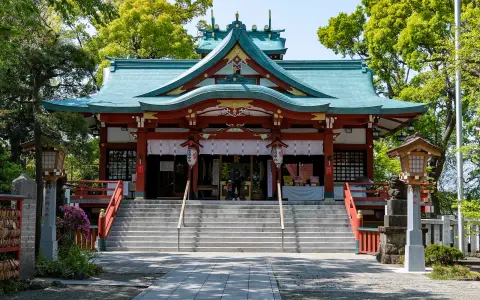
Standing on high ground overlooking the Tama River, this shrine enshrines Konohanasakuya-hime. Tradition holds that Hojo Masako, wife of Minamoto no Yoritomo, gazed at Mt. Fuji from this spot, and the shrine hall is built in the rare Sengen-zukuri style. From the observation plaza in the precincts you can look out over the Tama River and the townscape on the opposite bank, and on clear days Mt. Fuji comes into view as well.
A training facility set in the quiet residential streets of Den-en-chofu, a walk from Tamagawa Station. It is a building used by an organization called Seiseikorin, and is not a facility open to the public for visits. On a walk, it is best to keep to the street and simply take in the greenery beyond the wall and the calm atmosphere of the surrounding houses.
An Inari shrine enshrined in a corner surrounded by houses, within walking distance of Tamagawa Station. It is not large in scale, but a torii gate and a small shrine building stand together here, in a place that has remained beside the daily life of local residents. If it happens to catch your eye during a walk, this is the kind of shrine where stopping to give a small bow feels just right.