
68 walking spots tagged “Museums”. Near 上野駅 and 27 other areas.
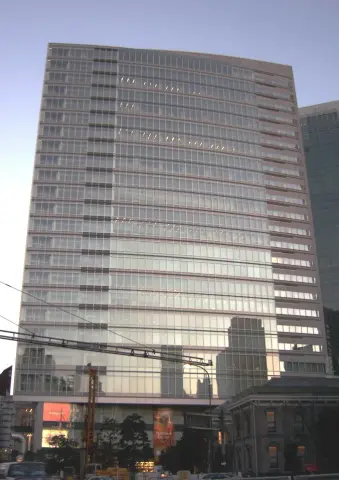
A museum centered on its collection of works by Georges Rouault, which also holds special exhibitions on architecture, design, and crafts.
A public-contribution facility inside the JP Tower, operated by the University Museum, the University of Tokyo and Japan Post. Academic specimens are on permanent display. Admission free.
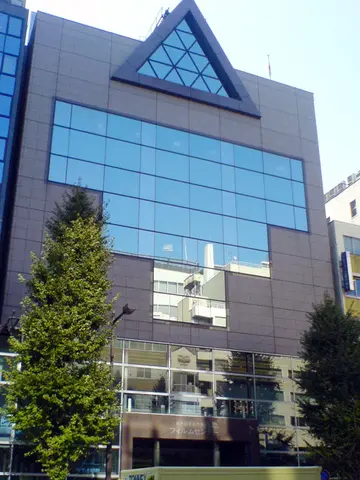
Japan's only national institution dedicated to film. In addition to screenings, it has exhibition rooms for film-related materials.
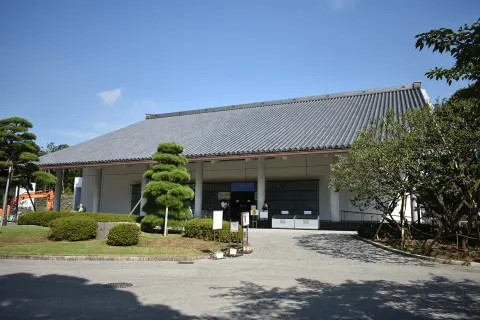
A facility that preserves and exhibits artworks handed down through generations of the Imperial Family. Located within the East Gardens of the Imperial Palace.
A collection of ancient East Asian art assembled by Iwasaki Yanosuke and his son Koyata. It holds the National Treasure “Yohen Tenmoku.” Relocated from Setagaya to the Meiji Seimeikan building in 2022.
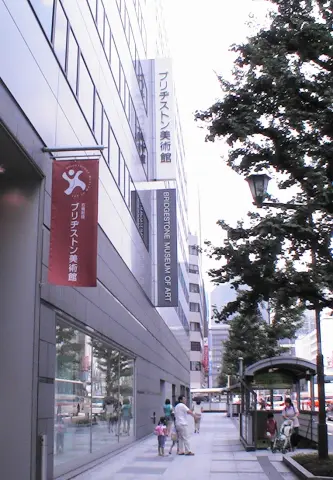
Opened in 2020 as the successor to the Bridgestone Museum of Art. It presents the Ishibashi Foundation Collection, spanning Impressionism to contemporary art.
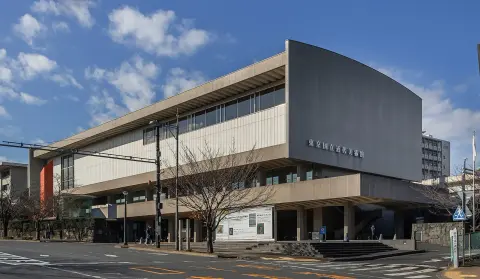
Opened in 1952 as Japan's first national art museum. It holds a systematic collection of modern Japanese art from the Meiji era onward. A lounge offers views of the Imperial Palace moat.
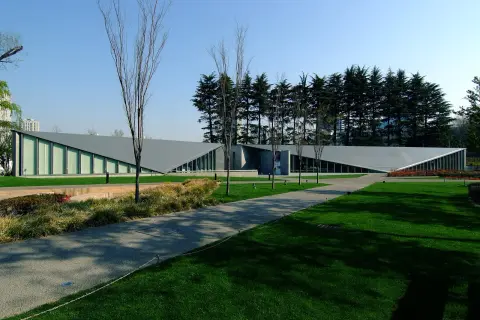
A design-focused exhibition facility in the garden of Tokyo Midtown. Designed by Tadao Ando, with Issey Miyake among its directors.
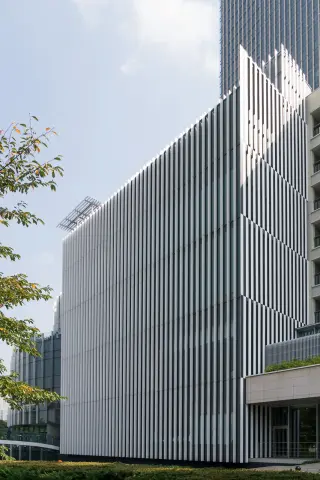
A museum founded on the basic philosophy of "Art in Life." Located inside Tokyo Midtown, it houses Japanese paintings, ceramics, lacquerware, glass and more.
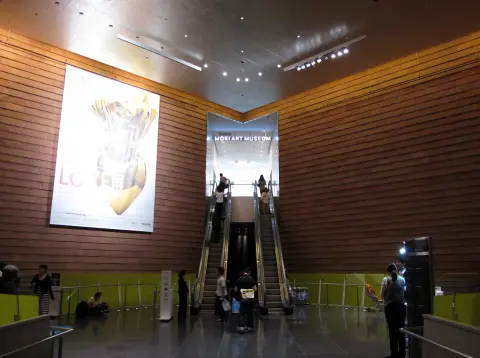
A contemporary art museum on the 53rd floor of Roppongi Hills Mori Tower. Open until late at night, it can be enjoyed together with the observation deck.
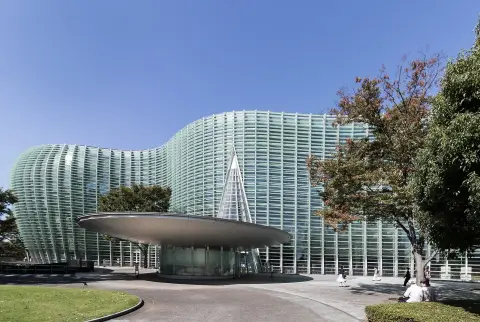
Opened in 2007. It holds no collection of its own, instead hosting special and open-call exhibitions in one of the largest exhibition spaces in Japan. Its signature feature is the undulating glass facade designed by Kisho Kurokawa.
A museum presenting the collection of Tokyo University of the Arts. It holds special exhibitions tied to the university's education and research.
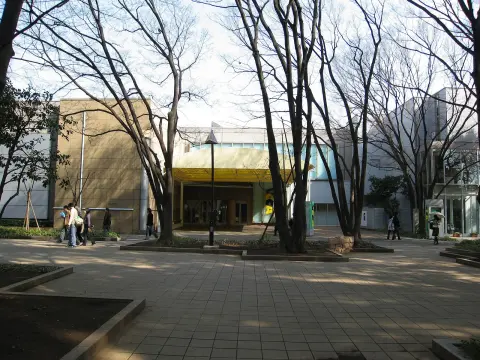
A private art museum inside Ueno Park. It has no permanent collection, focusing instead on high-profile special exhibitions.
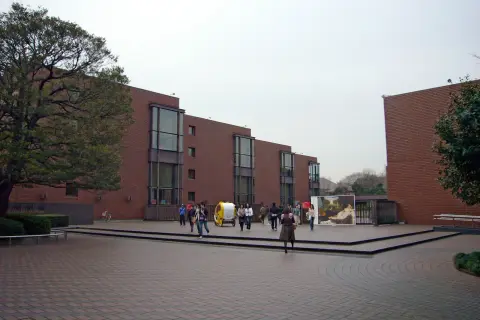
A public art museum that opened in 1926. In addition to large-scale special exhibitions, it is also used as a venue for open-call exhibitions. Designed by Kunio Maekawa.
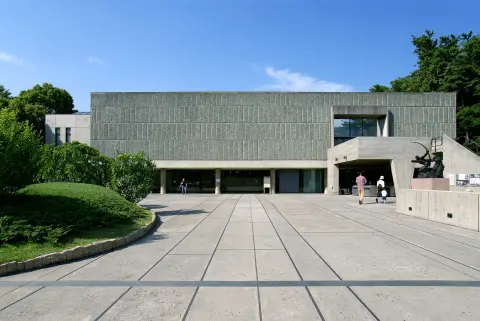
A national museum specializing in Western art, built around the Matsukata Collection. The Main Building, designed by Le Corbusier, is a World Cultural Heritage site.
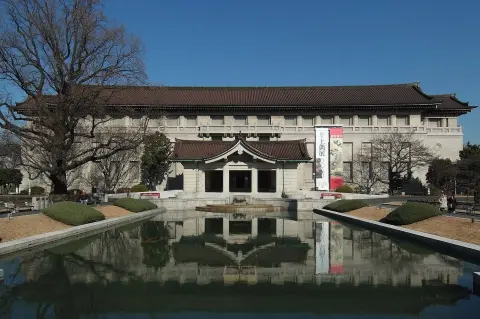
Founded in 1872, Japan's oldest museum. It consists of the Honkan, Toyokan, Hyokeikan, Gallery of Horyuji Treasures and Heiseikan, with some 120,000 items in its collection, including National Treasures and Important Cultural Properties.
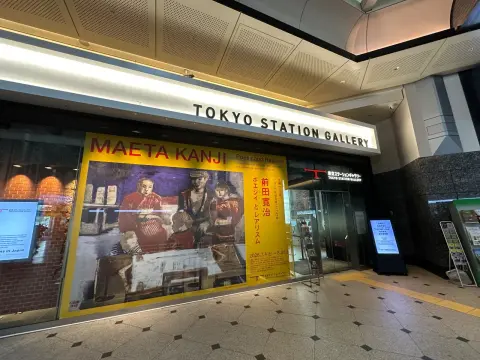
An art museum inside the Marunouchi station building of Tokyo Station. It opened in 1988 and was renovated to coincide with the restoration of the station building in 2012. The brick walls from the time of construction remain as the walls of the exhibition rooms, so the building itself is a highlight alongside the works on display. It is right outside the ticket gates, so you can stop by at the beginning or the end of a walk.
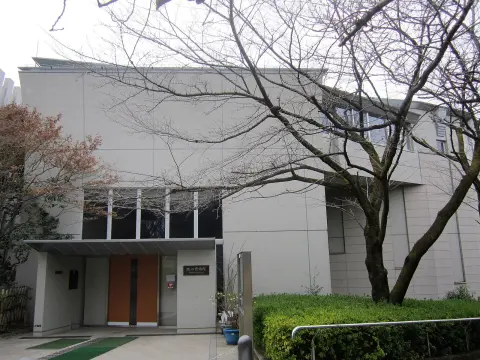
A museum dedicated to paper, located within Asukayama Park. Founded in 1950 and relocated to its current site in 1998, the museum stands in Oji — the birthplace of Japan's modern paper industry in the Meiji era — and features wide-ranging exhibits covering the history and manufacturing techniques of both Japanese washi and Western-style paper.
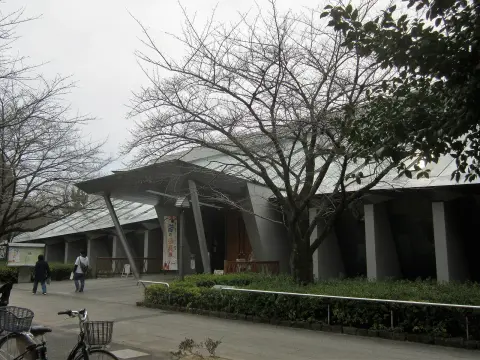
A ward museum opened in 1998 within Asukayama Park. It displays historical, natural, and archaeological materials from Kita Ward spanning the Paleolithic era to the modern age, making it a rewarding stop during a stroll through the Asukayama area to deepen your understanding of the land's origins.
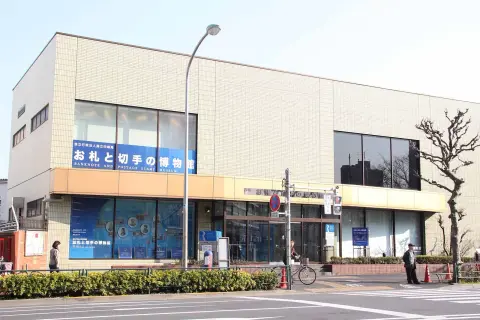
A museum near Oji Station operated by the National Printing Bureau. Exhibits cover the manufacturing process of banknotes and stamps, how their designs have changed over the years, and the history of printing technology, and admission is free. It's a perfect stop on a walk — a chance to learn how the banknotes you use without a second thought are actually made.
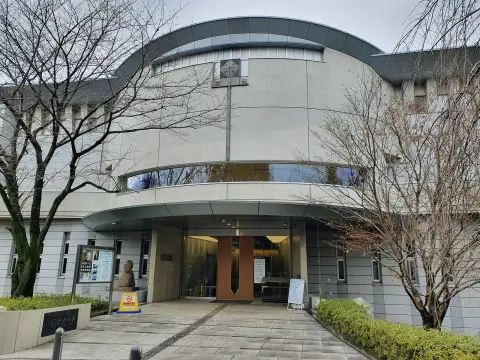
A museum dedicated to Shibusawa Eiichi, the Meiji and Taisho era industrialist, located just steps from Asukayama Station. Shibusawa established his main residence here in 1879 (Meiji 12) and lived here until his death at age 91 in 1931. The museum presents his life and achievements through an extensive collection of materials. His portrait also appears on the new 10,000-yen note issued in 2024.
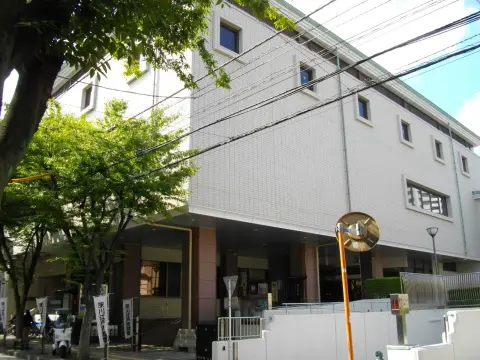
A museum within walking distance of Kiyosumi-Shirakawa Station that features a full-scale reconstruction of a Fukagawa townscape from the Edo period. Opened in 1986, the interior recreates nagaya row houses, a fire watchtower, a boat inn, and more, with lighting and sound effects simulating the passage of a full day. It offers an immersive, multi-sensory experience of Edo-era life and is an ideal stop on a historical walk through the Fukagawa area.
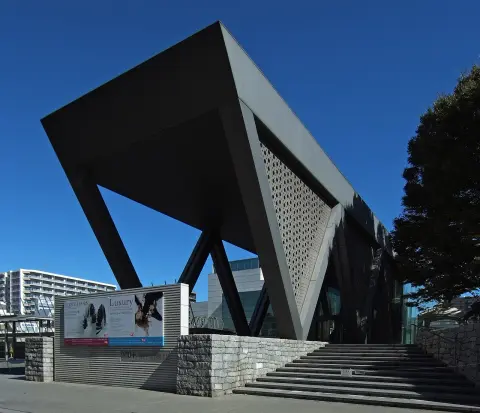
Opened in 1995, this is Japan's largest public museum of contemporary art. Located a walk from Kiyosumi-Shirakawa Station in the direction of Kiba Park, it houses a collection of over approximately 5,800 works. The airy building itself, designed by architect Takahiko Yanagisawa, is well worth seeing, and a visit with ample time to take in both the permanent collection and special exhibitions is highly recommended.
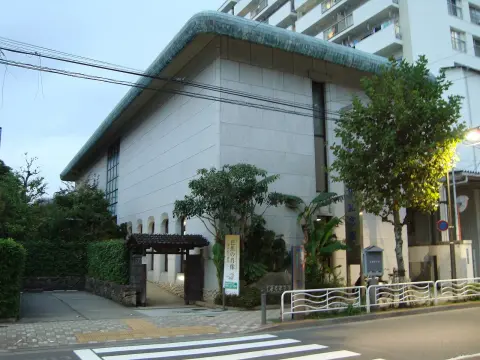
A memorial museum that opened in 1981 in Fukagawa, the area where the haiku poet Matsuo Basho spent his later years. You can reach it by walking from Kiyosumi-shirakawa Station toward the Sumida River. On display are Basho's letters and materials related to 'The Narrow Road to the Deep North' (Oku no Hosomichi), and the rooftop garden offers views of the Sumida River and scenery connected to Basho.
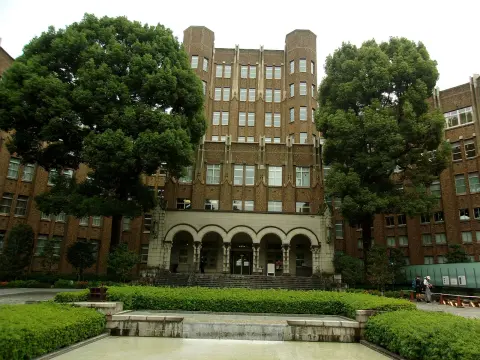
A history museum of Minato City housed in the former Institute of Public Health, built in 1938 (Showa 13). Its imposing scratch-tile exterior, designed by Yoshikazu Uchida — renowned for his work on many University of Tokyo buildings — is itself a highlight. Permanent exhibitions cover the nature, history, and culture of Minato City, making it an ideal stop on a stroll through Shirokanedai.
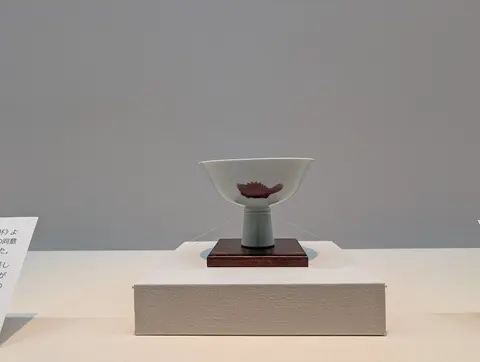
A private museum exhibiting Oriental ceramics, ancient Near Eastern art, and modern sculpture collected by businessman Matsugaoka Seijiro. Located in the quiet residential neighborhood of Shirokanedai, it moved to its current site and opened in 2000. A rewarding detour during a walk, where you can take your time enjoying the diverse collection.
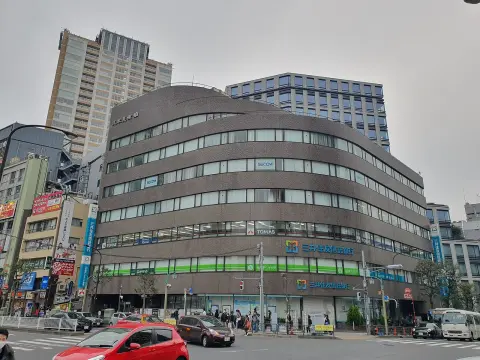
A museum housing and exhibiting works by Kume Keiichiro, a Western-style painter of the Meiji era, together with materials on his father, the historian Kume Kunitake. Located right by Meguro Station, it makes an easy stop partway through a walk. A small, quiet space where you can encounter the art and history of the Meiji period.
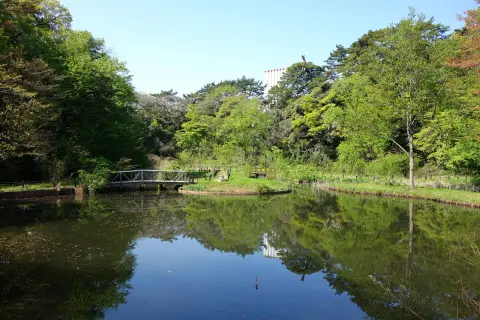
A branch facility of the National Museum of Nature and Science, a few minutes' walk from Shirokanedai Station. Its roughly 20-hectare grounds hold woodland, wetlands and ponds that preserve traces of the old Musashino landscape, with enough nature left to make you forget you are in the center of the city. It opened to the public in 1949, and a wide variety of plants and animals can be observed through all four seasons.
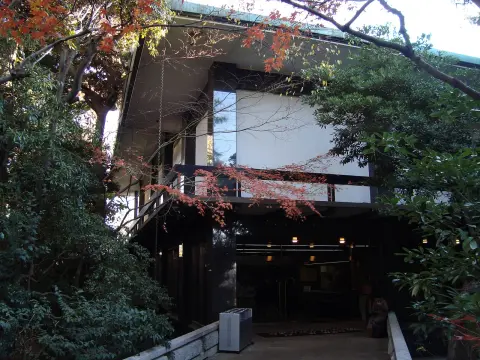
A museum displaying Japanese and Asian artworks collected by the industrialist Issei Hatakeyama. The collection of tea ceremony utensils is especially rich, and the museum stands at the end of a walk through a quiet hilltop area from Takanawadai Station. It reopened in 2024 after a long closure for renovation, offering art viewing in a calm setting.
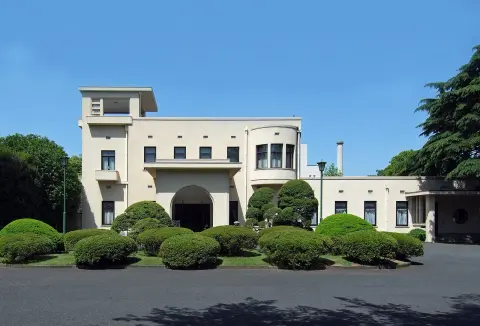
Within walking distance of Meguro Station, this museum opened the former residence of Prince Asaka, built in 1933, to the public as an art museum. The Art Deco building itself is the main attraction and is designated a National Important Cultural Property. A spacious garden adjoins the site, so you can combine an exhibition with a stroll among the greenery.
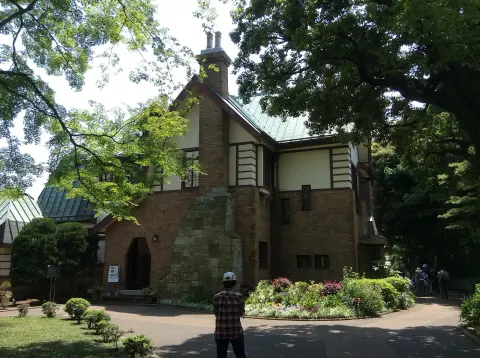
Within walking distance of Mitaka Station, this memorial museum occupies the residence where Yuzo Yamamoto—the writer behind novels such as "The Stone by the Wayside"—once lived. The Western-style house built in the late Taisho era and its garden remain as they were, and materials on Yuzo's life and works are on display. Surrounded by greenery, it is a quiet spot to catch your breath partway through a walk.
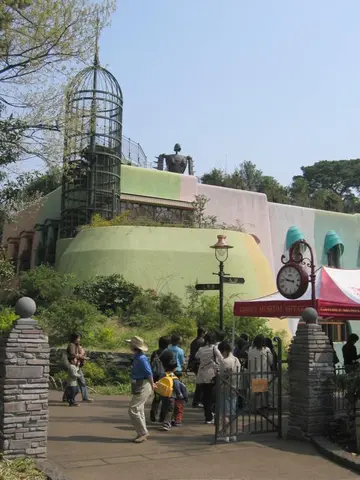
A museum adjoining Inokashira Park where you can experience the world of Studio Ghibli. Conceived by Hayao Miyazaki, it opened in 2001. The interior is laid out like a maze, letting you discover how animation works and see original drawings. A place worth visiting along with a stroll through the park.
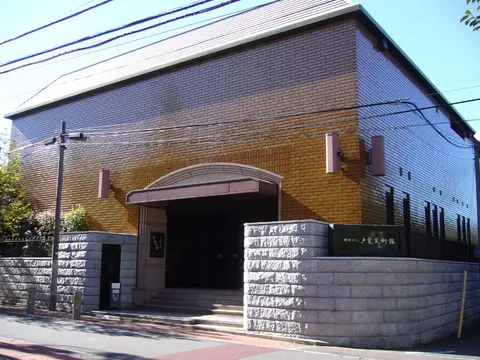
A museum specializing in ceramics, set in the residential neighborhood of Shoto in Shibuya. Opened in 1987, its collection centers on Hizen porcelain such as Imari and Nabeshima ware assembled by the businessman Toru Toguri, and also includes Chinese and Korean ceramics. It stands in a quiet area up the slope from Shinsen Station and Shibuya Station, making it a fitting stop on a walk once you have left the bustle of the city behind.
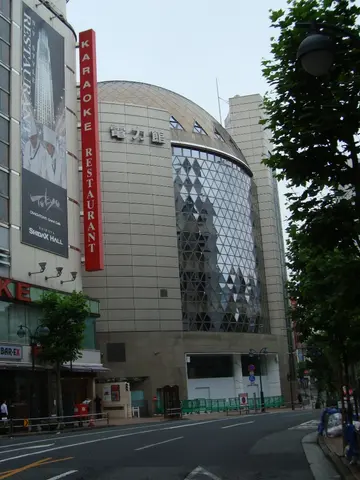
An exhibition facility operated by Tokyo Electric Power Company that once stood in Jinnan, Shibuya. It was a science museum that introduced how electricity and energy work through hands-on displays, and it closed in 2011. The site is no longer open as a facility, but tracing where a science museum once stood in this area is one way to enjoy a walk through Shibuya.
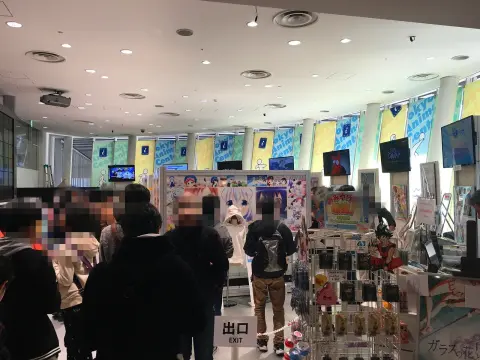
An exhibition facility within walking distance of Shibuya Station that showcases Japanese animation culture. Special exhibitions devoted to individual titles rotate through, so what is on display changes depending on when you visit. The space is compact, so you can look around in a short time even in the middle of a walk through Shibuya. Checking which exhibition is running before you head over makes it an easy destination for a detour.
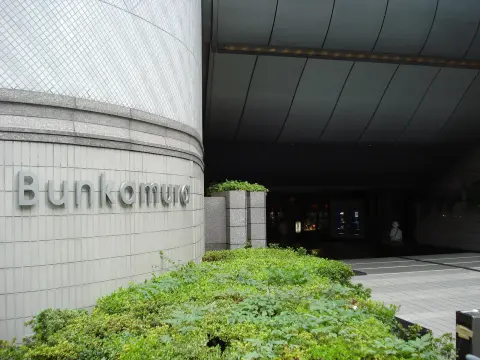
A multi-purpose cultural complex standing between Shinsen Station and Shibuya Station, at the top of the Dogenzaka slope. Opened in 1989, it gathers into a single building the Orchard Hall, used mainly for classical concerts, the Theatre Cocoon for stage plays, a cinema, and The Museum, which hosts art exhibitions. It makes a good turnaround point on a walk up the hill.
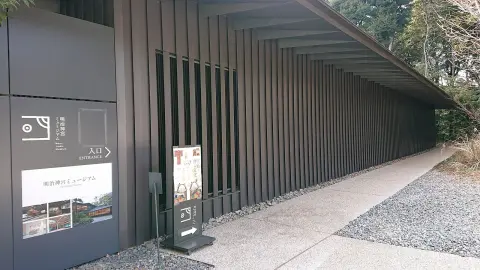
A museum reached by walking the approach path to Meiji Jingu from Harajuku Station. It opened in 2019 to coincide with the 100th anniversary of the shrine's enshrinement, in a building designed by Kengo Kuma. It holds and exhibits items associated with Emperor Meiji and Empress Shoken, as well as treasures handed down at the shrine. The low-lying building makes generous use of wood, and offers a quiet stop partway through a walk in the forest.
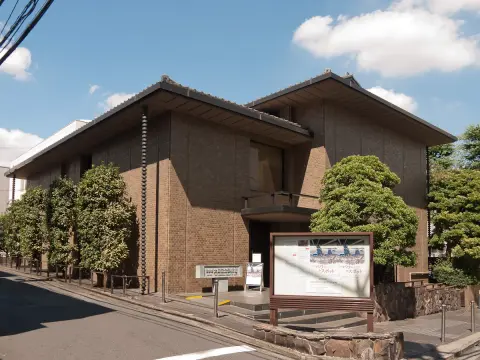
A museum specializing in ukiyo-e woodblock prints. It opened in 1980, based on the collection assembled by businessman Seizo Ota. It stands on a quiet street just off Omotesando, and you take off your shoes before stepping up into the galleries. After walking through the crowds of Harajuku, it is a place to settle down and spend time with the prints.
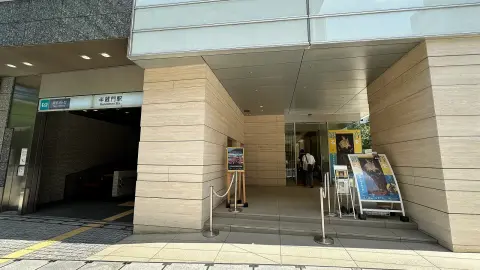
A museum of Buddhist art located near Hanzomon Station. Opened in 2018, its collection includes a seated statue of Dainichi Nyorai believed to be the work of Unkei. With quiet, dimly lit galleries, it makes a refreshing pause if you stop in after walking along the moat of the Imperial Palace.
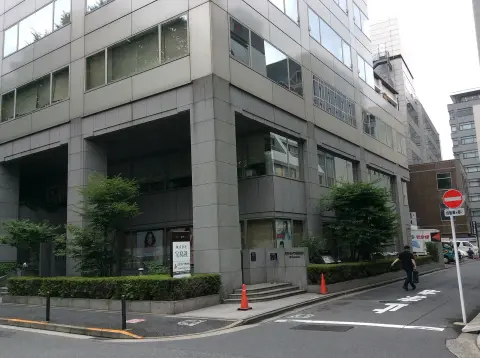
A museum devoted to cameras, located a short distance from Hanzomon Station. Opened in 1989 by the Japan Camera Industry Institute (JCII), it exhibits historic cameras from Japan and abroad, along with materials tracing the path the Japanese camera industry has taken. You can look at these small machines up close, making it a good choice when you want a quiet moment partway through a walk.
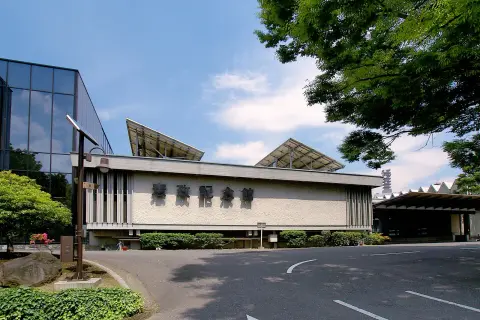
Next to the National Diet Building, on high ground up the slope from Sakuradamon Station, this facility introduces the history of parliamentary politics in Japan. It opened in 1970 to mark the 80th anniversary of the opening of the Diet. In the Edo period this area was the site of the residence of the Ii family, lords of the Hikone domain, and the surroundings are a garden with many trees, quiet enough to sit down in when your legs are tired.
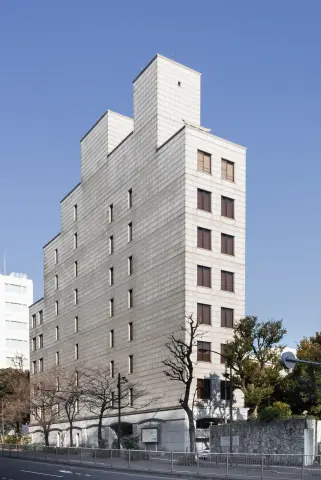
Just a short walk from Kudanshita Station, this facility houses and exhibits old documents and artworks handed down in the Satake family, the former lords of the Akita Domain. In its small exhibition rooms you can take an unhurried look at arms and armor, calligraphy and paintings, and records relating to the domain's history. It makes a quiet stop along a walk through Kitanomaru Park or down Yasukuni-dori.

A museum run by the Tokyo Metropolitan Police Department, right beside Kyobashi Station. Police motorcycles, a helicopter and patrol cars that were actually used are on display, and the exhibits trace the force's history from the Meiji era, when a modern policing system was put in place. There are also hands-on exhibits where children can learn by doing, making it a good detour on the way to Ginza or Nihonbashi.
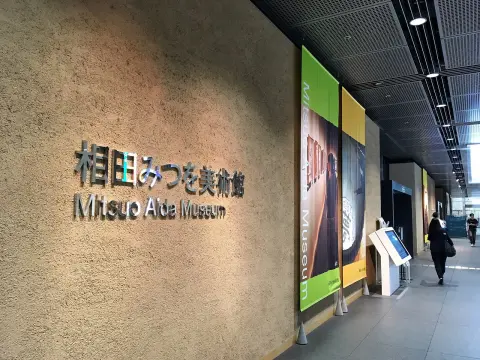
A museum inside the Tokyo International Forum in front of Yurakucho Station, gathering the works of the calligrapher and poet Mitsuo Aida (1924–1991). On display is his distinctive calligraphy, written with a heavy mix of hiragana, including "Ningen damono" ("Because we're human"). After walking through Marunouchi or Ginza, you can take time to sit with his words in the quiet underground space.
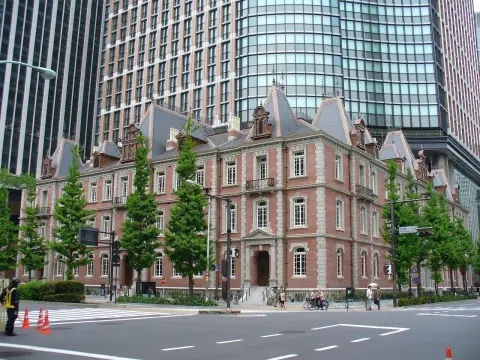
A red-brick museum standing in a corner of Marunouchi, just a short walk from Tokyo Station. The building is a reconstruction of an office building designed by Josiah Conder and erected in 1894, and it opened as a museum in 2010. It exhibits modern art centered on the late 19th century, and its enclosed courtyard is a good place to sit down partway through a walk.
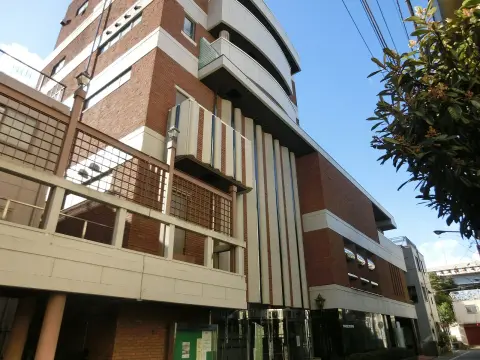
A ward-run museum in Mukojima, Sumida Ward, just a short walk from Tokyo Skytree Station. Through documents and models, it conveys the daily life and industries of a district that has grown up alongside the Sumida River, as well as records of the Great Tokyo Air Raid. Stopping by after a stroll along the riverside gives you a glimpse of how the scenery you have just walked through came to be.
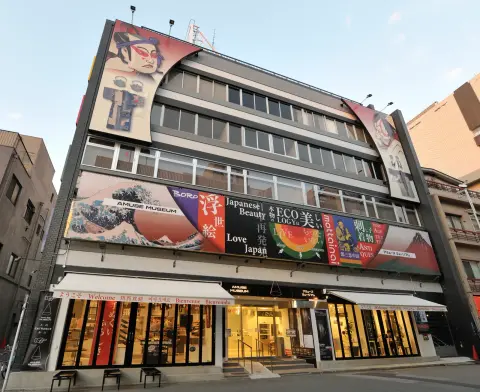
A museum that once stood east of Sensoji Temple, beside the Nitenmon Gate. It exhibited a collection of "BORO" — cloth that farming families in Aomori mended and patched layer upon layer as they used it — along with ukiyo-e prints, centered on garments gathered by the folklore researcher Chuzaburo Tanaka. It closed in March 2019. As you walk the east side of Sensoji, try picturing what used to be here.
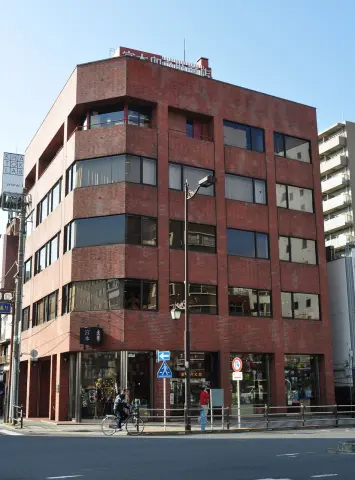
A museum devoted to drums, within walking distance of Asakusa Station. It is run by Miyamoto Unosuke Shoten, a maker of wadaiko drums and mikoshi portable shrines, and it gathers drums from all over Japan along with percussion instruments from around the world. Because you can take in the full range of sound-making instruments in one place, it makes a good destination after a walk around Senso-ji.
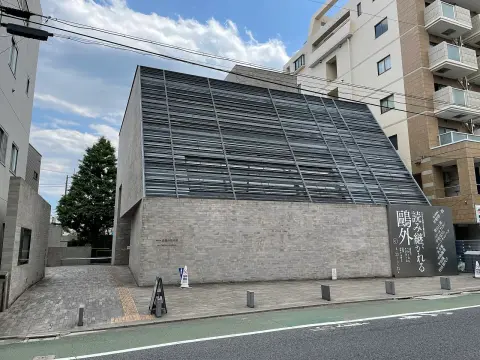
A memorial museum opened by Bunkyo City in 2012 to mark the 150th anniversary of Mori Ogai's birth. It stands on the former site of Kanchoro, the residence where Ogai lived from the mid-Meiji period until his death, and traces the writer's life through manuscripts, letters and other materials. It sits up Dangozaka slope from Sendagi Station, an easy stop along a walk through the Yanesen area.
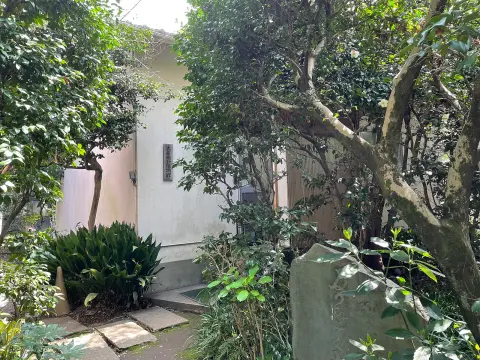
A small museum of wadokei (Japanese clocks), up the Yanaka slope from Nezu Station. The clocks made for daimyo households in the Edo period have a distinctive mechanism built for the variable-hour system, in which the length of one koku changes with the season. You can take your time viewing the pieces gathered by the collector Kamiguchi Guro, in the quiet of a residential neighborhood.