
98 walking spots tagged “Park”. Near 恵比寿駅 and 26 other areas.
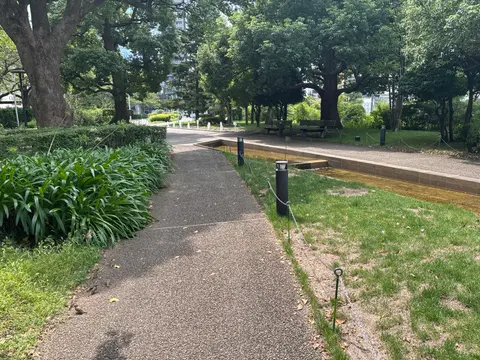
A park in Akasaka, Minato Ward, adjoining Tokyo Midtown. In the Edo period this area was the site of the lower residence of the Mori family of the Choshu domain, and a Japanese garden centered on a pond that carries on the look of that garden now spreads through the grounds. Walking along the water, you pass through calm scenery that is hard to believe lies right beside a district of office towers. There is also a lawn area, making it a good spot to rest when you get tired from walking.
One of the area's largest green spaces, roughly 6,000 m², facing the Imperial Palace. It has plants such as kerria, iris and maple, a waterside zone, and tables and chairs in the shade of the trees, with food trucks on weekday middays. The evergreen lawn "Imperial Green" is open only from 8:00 to 17:00 on weekdays. Free to stroll around.
A plaza that opened in 2021 between Tokiwabashi Tower and the Torch Tower now under construction. Working with municipalities across Japan, it showcases the appeal of the country's regions, and includes a pond of swimming nishikigoi (koi) created with Ojiya City in Niigata Prefecture, the birthplace of nishikigoi. Part of it has been scaled back since January 2026 due to construction work, with redevelopment planned after the tower opens in 2028.
A metropolitan park adjoining the National Stadium. Cafés and shops line the grounds, centered on a grassy plaza. In summer it becomes the venue for a beer lounge and outdoor film screenings.
A small park at the northern end of Zushi Beach, at the foot of Mt. Hiroyama. The adjacent temple Koyoji is called Namiko Fudo after Namiko, the heroine of the novel Hototogisu, which is set in this area. A monument to Hototogisu stands on the rocky shore.
A park centered on a pond that is also one of Tokyo's finest spots for wild birds. Swan boats cost 800 yen for 30 minutes, with tickets sold from 9:30 to 16:30.
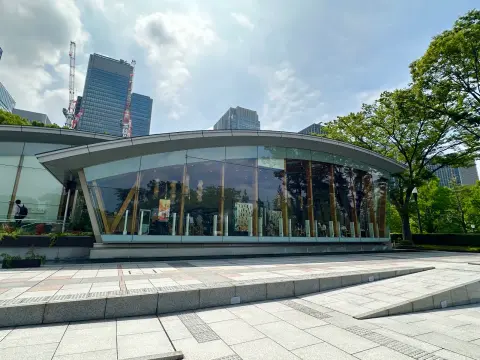
皇居外苑の和田倉噴水公園の中にあるカフェです。噴水と芝生を望む席で、水音を聞きながら休憩できます。皇居のお堀端や大手町のオフィス街からすぐの場所にあり、丸の内方面へ抜ける散歩の折り返し地点としてもちょうどよい一軒です。
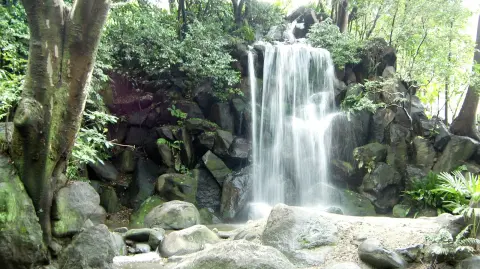
A park within walking distance of Ōji Station. A waterfall said to have once flowed within the estate of a local village headman (nanushi) during the Edo period still runs here today. You can enjoy the sound of water while strolling along tree-lined paths. A small park where you can experience natural scenery in the heart of the city.
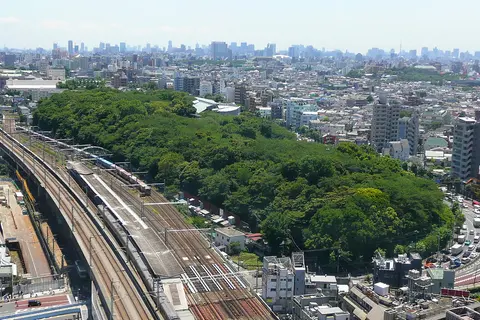
One of the first parks established in Japan, opened in 1873 (Meiji 6), Asukayama Park was developed by Tokugawa Yoshimune, the 8th shogun of the Edo shogunate, who planted cherry trees during the Kyoho era to create a cherry-blossom viewing spot for commoners. Just steps from Asukayama Station, the spacious grounds are home to several museums, including the Shibusawa Memorial Museum.
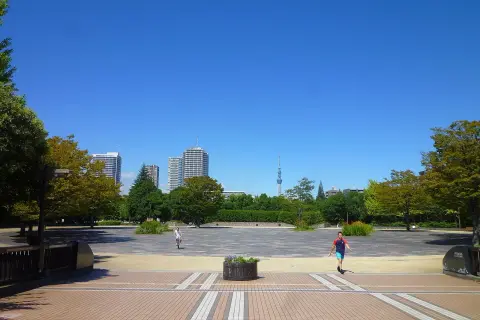
A metropolitan park opened in 1992 on the site of a former timber storage yard, just a short walk from Kiba Station. It features spacious lawns, fountains, and a barbecue area, with a wooden arched bridge over the Sendaibori River as one of its highlights. The Museum of Contemporary Art Tokyo is adjacent to the park, making it an ideal base for a leisurely stroll.
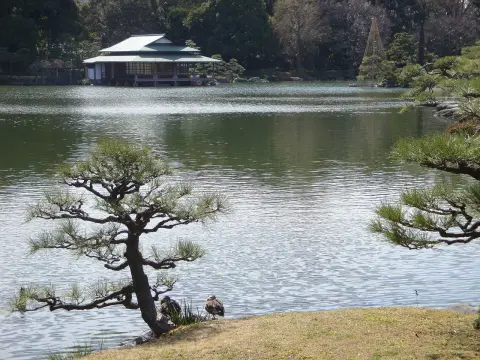
A strolling-style landscape garden of ponds and woods, laid out in the Meiji era by Iwasaki Yataro, just a few minutes' walk from Kiyosumi-shirakawa Station. Celebrated stones gathered from all over Japan are arranged around the pond, and you can take in the scenery of each season as you make your way past the spring-fed water, the artificial hills, and the dry landscape garden. Designated a Place of Scenic Beauty by the Tokyo Metropolitan Government, it is a place to spend a quiet, unhurried moment in the middle of a walk through the old downtown.
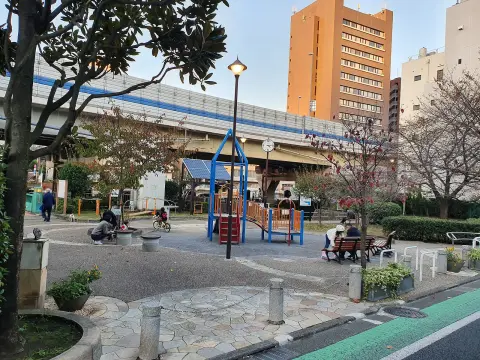
A municipal park near Shirokane-Takanawa Station. It's a perfect spot to take a break on a bench or catch your breath amid the greenery while strolling through the temple-rich Shirokane area. Consider stopping by as part of a walk through the surrounding temple district.
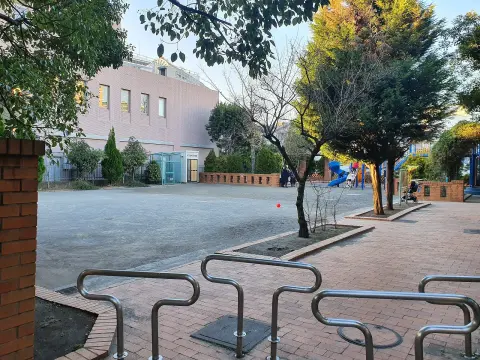
A park within walking distance of Ebisu Station. Shibuya City redeveloped the site of a former ward facility and opened it in 2019. It features distinctive spaces such as a rooftop plaza and a play park, making it enjoyable for visitors of all ages. A great spot to stop by during a stroll through the Ebisu neighborhood.
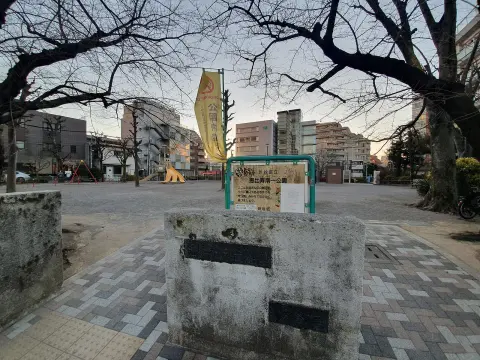
A small park in the residential neighborhood south of Ebisu Station. Equipped with playground equipment and benches, it is a perfect spot to take a break during a walk. Close to the station yet with a relaxed atmosphere, it makes an easy stop between explorations of the surrounding streets.
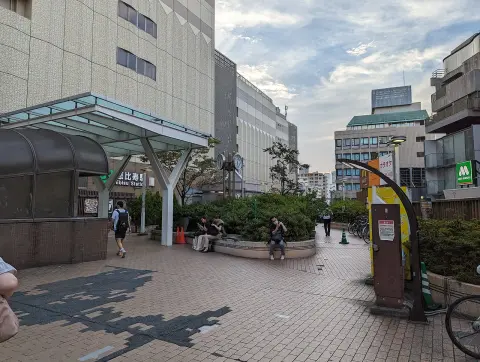
A park located just outside the east exit of Ebisu Station. Conveniently situated as a meeting spot or starting point for a walk around the area. It is also a great place to sit on a bench, catch your breath, and plan your route through Ebisu.
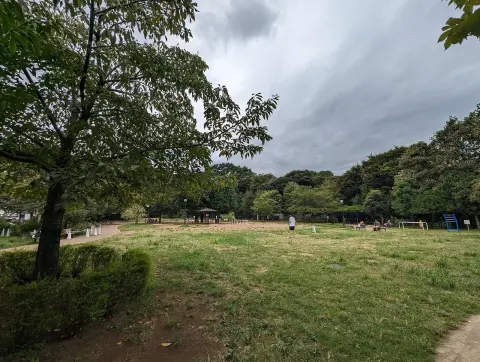
A children's park near Shirokanedai Station. True to its name "Donguri" (acorn), the surrounding area is lined with trees, making it a small yet refreshingly green space. A perfect spot to sit on a bench and rest during a walk.
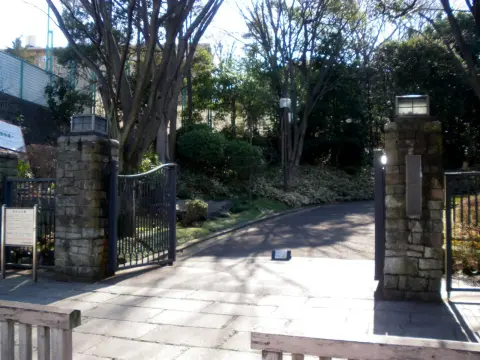
A strolling-style Japanese garden managed by Shinagawa Ward, built on the site of the former lower residence of the Ikeda clan of Okayama Domain. The design takes full advantage of the varied topography descending from a hilltop to a pond, offering a tranquil landscape with a waterfall and an artificial hill. A quiet spot to appreciate traditional garden beauty on a walk through the Gotanda/Shirokanedai area.
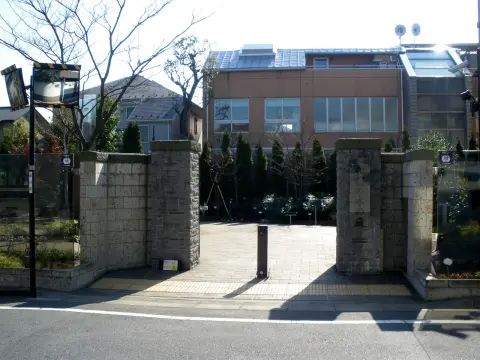
A ward-run park opened in 2004 on the former site of the Shoda Residence, the family home of Empress Emerita Michiko. It lies in a quiet residential area in the Gotanda / Higashi-Gotanda district and is planted with flowers and grasses connected with the Empress. The garden is small in scale, but you can stroll it quietly while enjoying the blooms of each season.
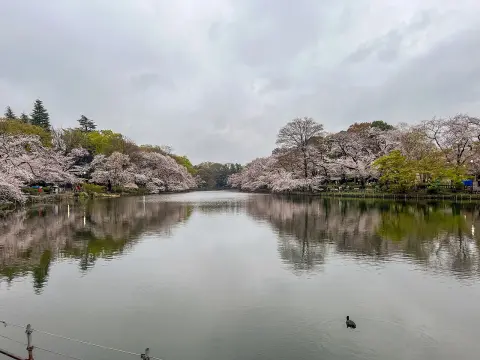
A historic park just a short walk from Kichijoji Station, opened in 1917 (Taisho 6). At its heart, Inokashira Pond is one of the sources of the Kanda River, with cherry blossoms in spring and fresh greenery in early summer coloring the waterside. Take out a boat or walk a lap around the pond — a place to spend your time however you like.
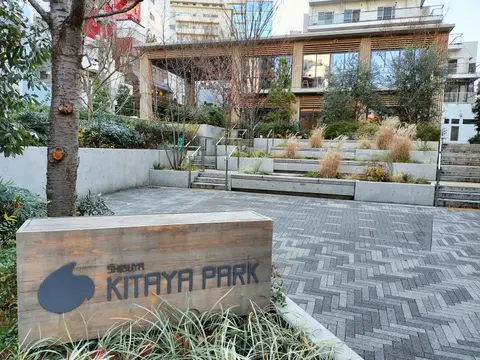
A park in the Jinnan area, within walking distance of Shibuya Station. Renovated in 2021, it was reborn as an in-town rest spot with a café set among lawns and trees. Between shopping and strolling, you can pause for a breather while taking in the greenery.
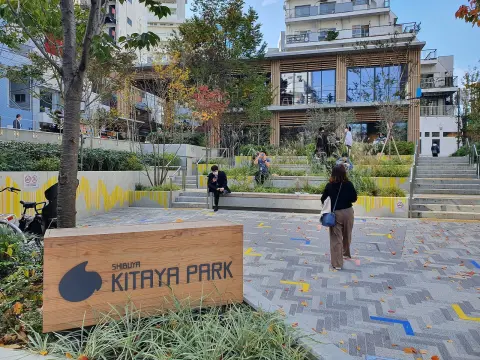
A park in the Jinnan neighborhood, about a 10-minute walk from Shibuya Station. Renovated in 2021, it was reshaped into a space where an open plaza and a café form a single whole. You can sit down between shopping and strolling, which makes it an easy rest stop on a walk around Shibuya. It is also a good place to drop by on the way through to Harajuku.
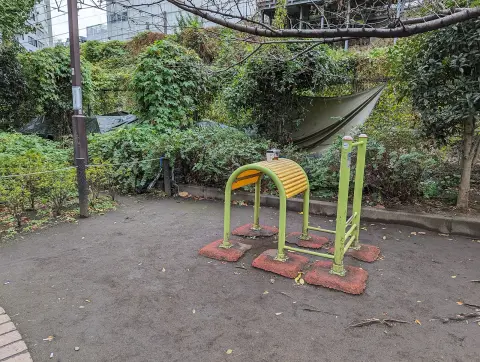
A Shibuya City park in Jingumae, along the street linking Shibuya and Harajuku. The surrounding area is lined with buildings and shops, but the park has trees and benches where you can catch your breath when your legs get tired. It sits roughly halfway along the walk from Shibuya to Harajuku, so it is an easy place to stop and rehydrate.
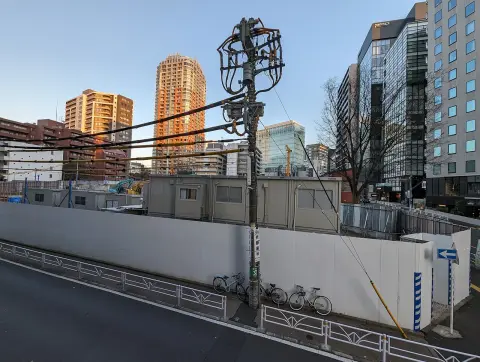
A Shibuya City park on Mitake-dori, on the east side of Shibuya Station. Set a little apart from the crowds around the Scramble Crossing, it offers benches surrounded by trees where you can rest. It lies on the route you take walking from Shibuya toward Aoyama or Omotesando, so you can stop in to catch your breath before or after the climb.
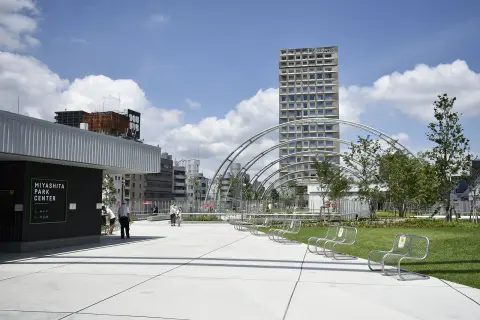
A long, narrow park stretching along Meiji-dori northeast of Shibuya Station. In 2020 it was reborn as a multi-level park integrated with a shopping complex and a hotel, with a lawn plaza, a skate park, a bouldering wall, and a multipurpose court lined up on the rooftop level. After shopping, you can head up and take a break while looking out over the Shibuya cityscape.
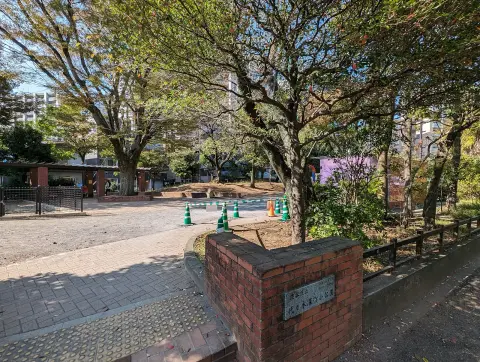
A small park in a residential neighborhood, a short walk from Yoyogi-koen Station. It has an open space with benches and has become a place where people from the neighborhood stop by as part of daily life. Unlike the openness of Yoyogi Park just nearby, here you feel a quiet that sits close to everyday living. It is a good spot to sit down and catch your breath when you are tired from walking.
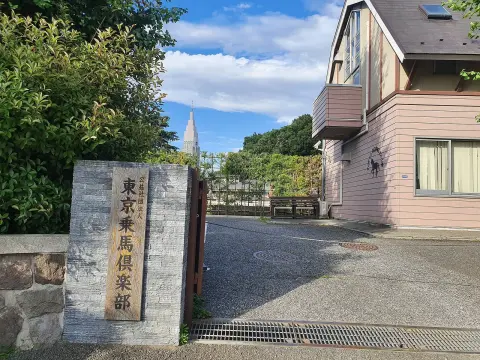
A park tucked into a corner of Yoyogi Park, right by Sangubashi Station. You can get close to the ponies or try a ride, and even just watching the horses graze from the other side of the fence is enough to make you forget you're in the middle of the city. It's a place worth a short detour on a walk heading toward Harajuku or Shinjuku.
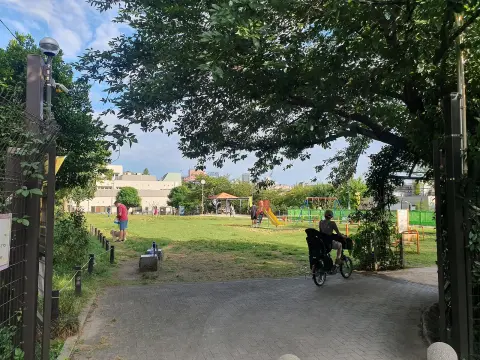
A small park in a residential neighborhood, just a short walk from Sangubashi Station. The greenery of Meiji Jingu and Yoyogi Park is close by, making this an easy rest stop before or after heading to the larger parks. It's a good spot to sit on a bench, check your map again or have a drink of water, and think about where to walk next.
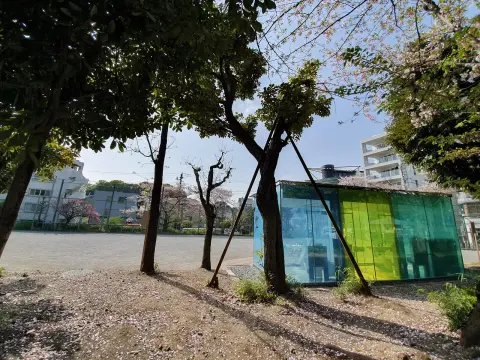
A park in Shibuya Ward within walking distance of Yoyogi-Hachiman Station. Its name comes from the Kohonegawa River, which once flowed through this area and is said to be the setting of the children's song "Haru no Ogawa" (Spring Brook). The river now runs underground in a culvert, but the park has flower beds and an open plaza, cultivated over the years with the hands of local residents. It makes a landmark for a walk tracing the memory of the water.
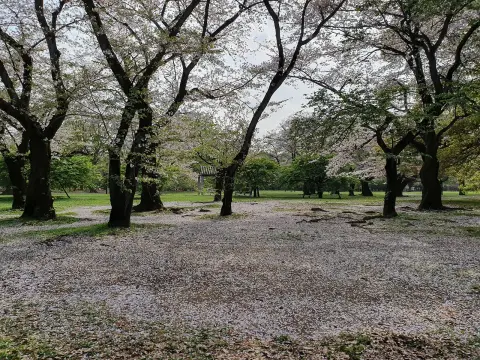
A large park spreading out right next to Harajuku Station. Originally an army drill ground, it later served as housing for the U.S. military after the war and as the athletes' village for the 1964 Tokyo Olympics, before opening as a park in 1967. Broad lawns, water features, and avenues of zelkova and ginkgo trees run through the grounds, so a single loop around the park already makes for a good walk.
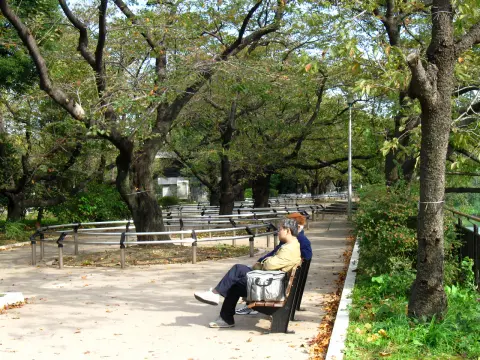
A long, narrow park running along Chidorigafuchi, one of the moats of the Imperial Palace. The moat was originally dug to defend Edo Castle; today a promenade runs beside rows of cherry trees that trail their branches over the water. Walking from Hanzomon Station toward Kudan, you have the moat on one side and trees on the other, and you can sit on a bench and rest while watching the waterfowl and the greenery on the opposite bank.
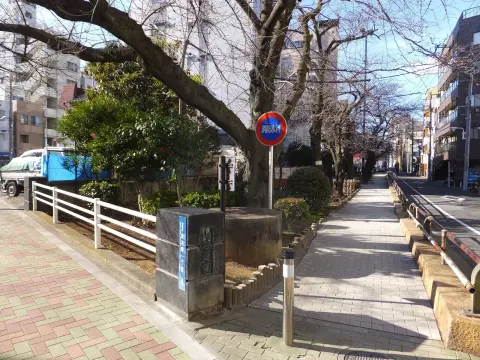
A long, narrow park created by filling in the Sanyabori, a canal that ran from the Sumida River to Nihonzutsumi. This waterway was once the route along which people traveled by boat to Yoshiwara. Today a cherry-tree-lined promenade runs along it, a short walk north of the bustle of Asakusa. You can sit down and take a breather on your way through toward Matsuchiyama Shoden or Imado.
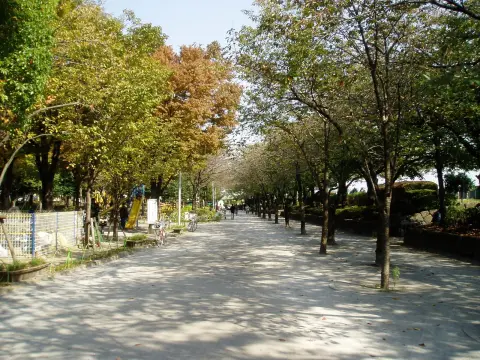
A park stretching along both banks of the Sumida River. It was developed as part of the reconstruction following the Great Kanto Earthquake and opened in 1931 (Showa 6). Rows of cherry trees, carrying on from the trees that the eighth shogun Tokugawa Yoshimune had planted in the Edo period, line the way, and you can walk while taking in the river surface and the view of the opposite bank. Just across the bridge from Asakusa Station, it works well both as a rest stop and as a turnaround point on a walk.
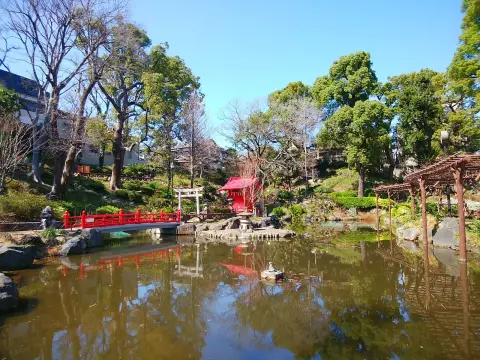
A park with steep changes in elevation, with Sendagi Station as the nearest station. It inherits the garden of land that was once a samurai residence and later a private estate, and it was donated at the beginning of the Showa era to become a park. Inside there are a pond and a waterfall, and on the island floating on the water stands a small shrine to Benten. As you walk through hilly Sendagi, this is a place where you can feel yourself descending into a deep green hollow.
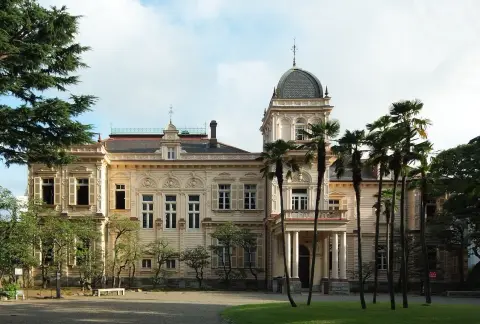
A garden on high ground a short walk from Yushima Station, opened to the public on the site of the Iwasaki family's main residence. The Western-style house, built in 1896 (Meiji 29), was designed by the British architect Josiah Conder, who also worked on the Rokumeikan; together with the Japanese-style house and the billiard room, it is designated an Important Cultural Property of Japan. It also suits a moment of rest partway through a walk around Ueno or Yushima.
A long, narrow greenway built on top of a culverted river. Rows of cherry trees line the path, so you can stroll at a leisurely pace without worrying about cars.
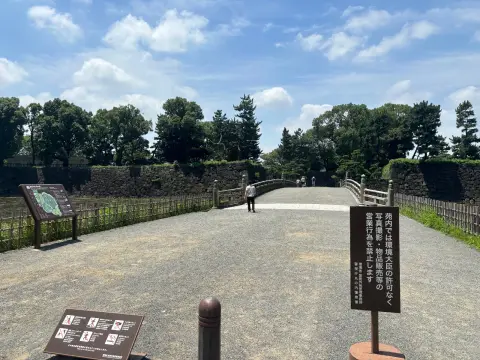
A fountain park located within the Imperial Palace Outer Gardens. Originally built in 1961, it was renovated in 1995 to commemorate the marriage of the current Emperor. The large pond and fountains make it a perfect rest stop after walking around the Marunouchi and Otemachi area.
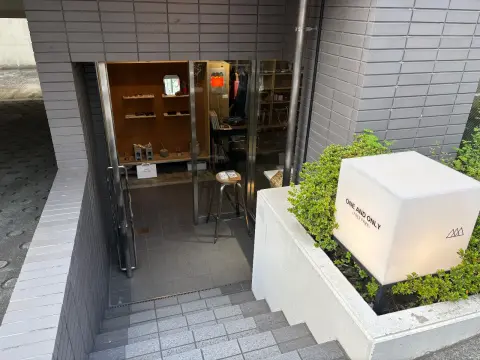
A spot on Hillside-dori, just a short walk from Jiyugaoka Station. Located in Jiyugaoka 2-chome, Meguro City, it makes a convenient stop while strolling around the Jiyugaoka area.
A park in a residential neighborhood just a short walk from Ebisu Station. Its auspicious name 'Tsurukame' (crane and turtle) catches the eye, and the park has a peaceful, laid-back atmosphere. Fitted with benches and play equipment, it's a spot to drop by casually during a stroll through the Daikanyama and Ebisu area.
A park in a residential neighborhood near Daikanyama Station. Set within the calm atmosphere characteristic of Daikanyama, it's a place to sit on a bench and take in the mood of the area at your own pace. An easy stop along a walking route.
A small children's park in Nakameguro 1-chome, just a short walk from Daikanyama Station. The compact plaza is equipped with play equipment and is a beloved playground for local children. It makes a pleasant green rest stop when walking through the Nakameguro and Daikanyama area.
A children's playground in a residential neighborhood near Ebisu Station. This small park features play equipment and benches, and is a beloved play space for local children. A handy spot to stop and rest during a walk around the Ebisu area.
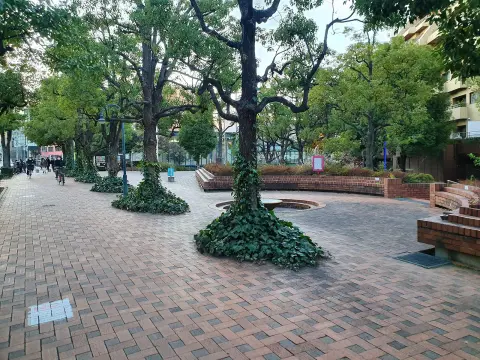
A small park just a short walk from Ebisu Station, named after the nearby "America-bashi" bridge. A tidy little plaza with green trees and benches — a perfect casual stop while strolling around the Ebisu area.
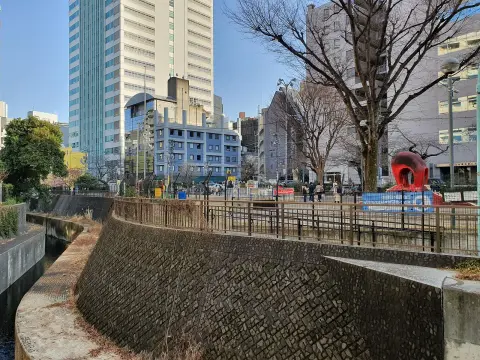
A ward-managed park located on the east side of Ebisu Station. A local park with greenery and playground equipment where you can relax on a bench. It makes a perfect stop along a stroll toward Yebisu Garden Place.
A park in a residential area just a short walk from Ebisu Station. Its charming name, "Mikan" (mandarin orange), adds to its welcoming, laid-back feel. With benches and play equipment, it is an easy place to stop and rest during a walk.
A Shibuya City park just a short walk from Daikanyama Station. Nestled in the quiet residential streets of Daikanyama, it offers benches surrounded by greenery for a relaxing rest. A perfect pause along a stroll through Daikanyama's stylish streets.
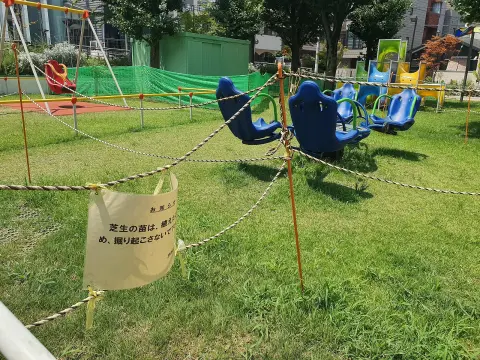
A neighborhood park in Ebisu Minami 2-chome, just a few minutes' walk from Ebisu Station. A green space set within a residential area, it is used by locals for everyday walks and breaks. A welcoming spot to pause and catch your breath while exploring the lively Ebisu area.
A ward-run park a short walk along the Meguro River from Naka-Meguro Station. With a grassy plaza, flower beds and playground equipment, it serves as a place for local residents to relax. Set a little away from the foot traffic along the river, it is just the right spot to rest at the turnaround point of a walk. Sit down on a bench and spend a while listening to the sounds of the town.
A green space within walking distance of Hiroo Station, in a quiet area lined with homes and embassies. Planted with trees, grasses and flowers, it changes its expression with each season, just as its name suggests. Walk it together with nearby Arisugawa-no-miya Memorial Park and you get green time that hardly feels like central Tokyo. Worth keeping in mind as a place to sit down and take a breather partway through a walk.
A ward-run park in Mita, Meguro City, on the way from Meguro Station toward Ebisu. Quietly set among houses, it has playground equipment and an open plaza. It is just the right spot for a short detour and a rest as you head from Meguro to Ebisu. This is a neighborhood with many slopes, so it is handy to remember as a place to take a break when your legs get tired.
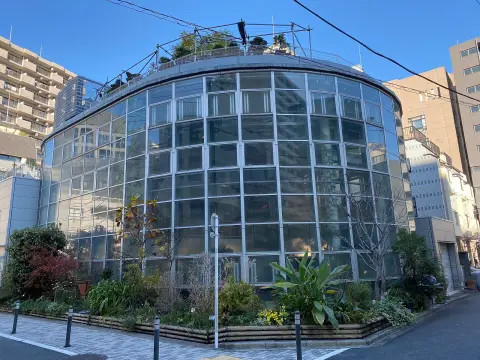
A small botanical garden the size of a single greenhouse, operated by Shibuya City. Tropical and subtropical plants are grown inside, and you can view them up close as you make your way up the stairs through the open, atrium-style greenhouse. Just a few minutes' walk from the city streets brings you to a space that smells of greenery and soil. It's a good place to catch your breath partway through a walk around Shibuya, Ebisu, or Daikanyama.