
8 walking spots tagged “Wagashi (Japanese sweets)”. Near 大手町駅 and 5 other areas.
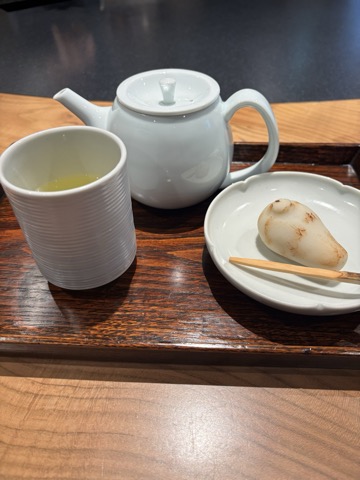
The Aoyama shop of Ippodo Tea, a long-established Japanese tea house founded in Kyoto in 1717 (Kyoho 2). The name Ippodo is said to have been bestowed in the late Edo period, from the words “keep to one thing — tea,” and the shop has dealt in teas such as sencha, gyokuro and matcha ever since. It stands along Kitazaka slope in Minami-Aoyama 6-chome, where freshly brewed tea and wagashi sweets sit well with a body tired from walking.
A wagashi (Japanese confectionery) shop facing Marunouchi Naka-dori. The "man" in the shop name comes from manju (steamed buns), and it sells freshly steamed manju, sweets for gifts, and tea utensils. Bite-size yokan ¥400 each; in the tearoom behind the counter, a tea and wagashi set from ¥2,200 and a tea course for ¥6,050 (reservations recommended).
The Tokyo branch of a chestnut confectionery from Ena, Gifu. The signature item is kurikinton, a chakin-shibori (cloth-twisted) sweet made by scooping out steamed chestnuts one by one and simmering them with rock sugar. Kurifukugaki — dried Ichida persimmons from Nagano Prefecture filled with kurikinton — is ¥1,479 for a box of 3. In the Yaesu Underground Mall.
A Japanese confectionery shop on the second basement floor of the Otemachi Building. It centers on namagashi (fresh sweets) made with domestic ingredients, and its hallmark is a smooth strained bean paste for which the astringency is drained off twice. Seasonal namagashi such as "Biku," topped with a sweetfish made of yokan, and "Natsuiro," shaped like a goldfish bowl, are ¥280–300.
A new brand from Chuoken Senbei, a rice-cracker maker founded in 1923. "RICE PALETTE", a light-textured okaki made from baked glutinous brown rice, comes in two kinds: dried fruit & nuts, and Parmigiano (4 pieces in 2 kinds, ¥1,296). Sold only at GRANSTA TOKYO. Inside the ticket gates at Tokyo Station.
A wagashi (Japanese sweets) shop opened eight years ago by an owner who spent many years at a long-established wagashi shop. The bean paste is made by straining the beans, and the agar for the anmitsu is made from tengusa seaweed. Dorayaki ¥300, dango ¥180.
The main store of the Kamakura confectioner known for Hato Sable, its dove-shaped sable cookies. The full product lineup is on display, with a broad selection of Japanese sweets as well, including old-style mizu-yokan (soft bean jelly) in wooden boxes and seasonal jonamagashi fresh sweets.
A long-established wagashi shop originating in Jiyugaoka, best known for its signature confection "Nabona".