
7 walking spots tagged “Landmark”. Near 茅場町駅 and 5 other areas.
A landmark on Eitai-dori, directly connected to Kayabacho Station. Its atrium holds one of the world's largest cube-shaped displays, which projects live market movements and is worth seeing as digital art in itself. The building also has a book lounge where you can read while looking out over greenery, and a hall seating 500.
A 73 m-wide stone-paved boulevard running straight from Tokyo Station's Marunouchi Central Exit to the Imperial Palace. It is also used for official imperial ceremonies, and the ginkgo trees lining both sides are a highlight for their fresh green in summer and golden leaves in autumn. A walking route with a head-on view of the Marunouchi station building.

東京都千代田区に位置する天皇の住居であり、かつての江戸城の跡地に築かれています。広大な敷地は濠と石垣に囲まれ、周囲には皇居外苑や東御苑など散策できるエリアが広がっています。東御苑は一般公開されており、江戸城の天守台跡や美しい日本庭園を歩いて巡ることができます。
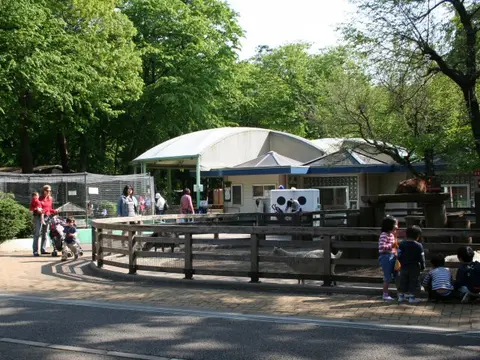
A zoo inside Inokashira Onshi Park. It opened in 1942 (Showa 17), and inside you can enjoy small animals, birds, and a corner gathering sculptures. It is also fondly remembered for Hanako, the elephant who lived here for many years. Pair it with a stroll through the park for a relaxed time among the animals.
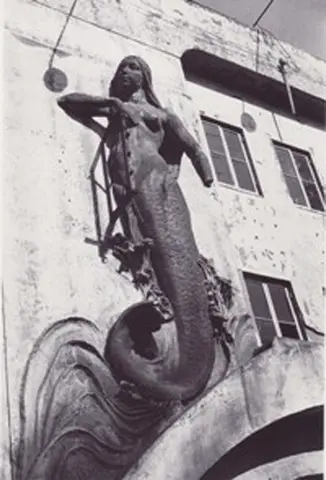
The former site of an aquarium opened inside Asakusa Park in 1899 (Meiji 32). In the Taisho era, the theater on its second floor staged Asakusa Opera and drew large audiences. The building no longer remains, but imagining the crowds that once filled this spot as you walk around the Rokku area is one of the pleasures of a stroll here.

Meiji Jingu is a Shinto shrine founded in 1920, dedicated to Emperor Meiji and Empress Shōken. Located just a short walk from Harajuku Station, it is surrounded by a vast sacred forest. As you walk along the gravel-paved approach, the tranquil atmosphere makes you forget you are in the heart of Tokyo.
Built in 1923 and modeled after a medieval European farmhouse, this building is a symbol of Den-en-chōfu. It disappeared when the tracks were moved underground, then was faithfully restored in 2000.